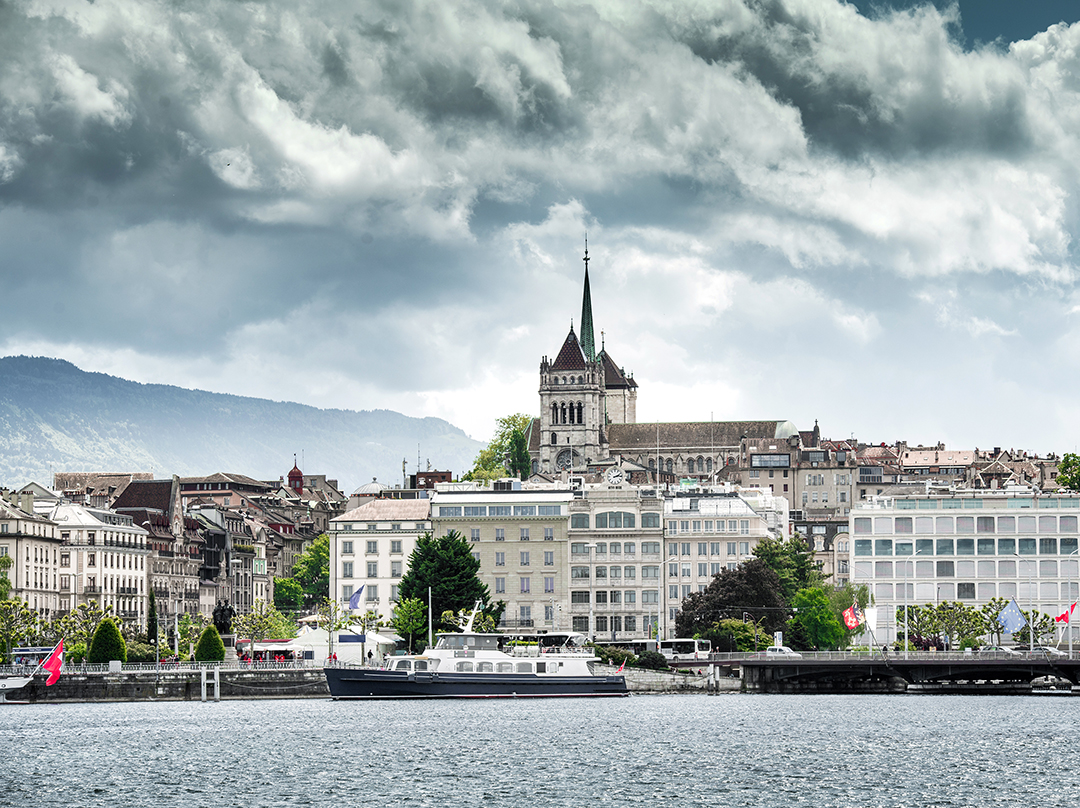
When we think of Geneva, we often picture a city of order, elegance, diplomacy and a high standard of living. In reality, Geneva is a charming and welcoming city in the southwest of Switzerland, located by Lake Geneva with the Alps in the background, creating one of the most picturesque urban scenes in Europe. Geneva is surprisingly rich in culture and has both a global presence and a strong local character. It is one of the world’s key international hubs, home to the European headquarters of the United Nations and many other organisations. At the same time, life in the city is calm, with walks by the water, visits to the parks, and a culture that values detail and quality.
Geneva's identity has been shaped over the centuries. The city was important during the Reformation, linked to the French theologian John Calvin and the Protestant tradition. Later, it earned a reputation for neutrality and diplomacy, which helped it grow into a centre for humanitarian work and international organisations. Because of this, Geneva is not just a beautiful place to visit, but a city that carries the weight of the world in a quiet, almost unnoticed way.
Geneva is especially appealing to travellers. It can be experienced either as a starting point or as a stop along a journey through Europe. It is very well connected to other Swiss cities and makes it easy to take trips into the French Alps, which gives it a big logistical advantage.
Geneva's old town, Vieille Ville, rises above the modern part of the city and represents the city's history. Its streets are compact, narrow and paved with stone, tidy and, most importantly, easy to walk around. When visitors walk through this part of Geneva, they often notice that life here feels quieter than along the lakeside promenade.

The central point is St Pierre’s Cathedral, closely linked to the Reformation and Calvin. The church’s architecture and its simple interior reflect Geneva’s Protestant character, which has long focused on discipline, order, and restraint. From the cathedral tower, you get a panoramic view of the city, the lake, and the mountains in the background. Around Bourg de Four, one of the oldest squares in Geneva, you will find cafés, small galleries and local shops, where the pace feels calmer and almost aristocratic. A walk through this part of the city also reveals hidden passages, courtyards and buildings that tell the story of centuries of political independence.
Museums like Maison Tavel, the oldest private residence in the city, give a glimpse into everyday life in Geneva in the past. The old town is not very large, but it is full of character and history. Its charm comes from the little details and the feeling that history is all around. You can really see how the city keeps its character without becoming overrun by tourists.
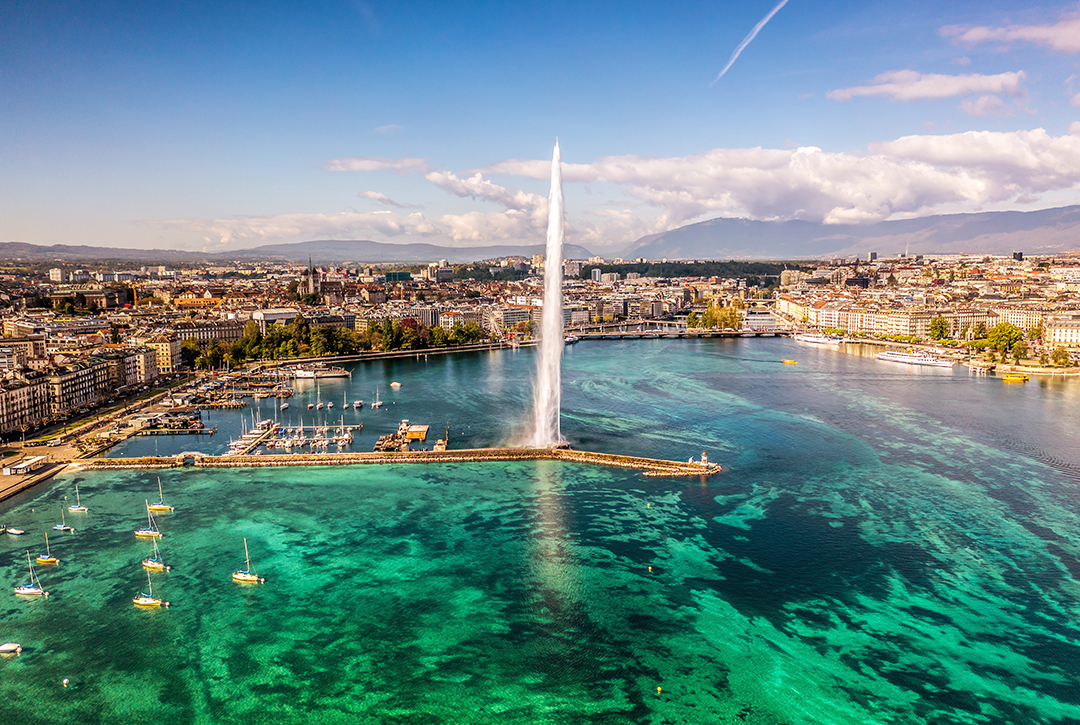
Lake Geneva is what people notice first when they look at the city, and the Jet d’Eau, a towering water jet, rises above the lake and serves as both a landmark and a sign of Geneva’s elegance. It has come to represent the energy and life that Geneva draws from its connection with nature.

In the summer months, Geneva feels like a city shaped by nature, with life centred on the lake. People spend their days by the water, relaxing on the lawns and taking dips. Picnics by the lake, boat rides and evening strolls reveal that the city is not only a centre for diplomacy, but also a relaxed and friendly place.
Parks are an equally important part of the city's everyday life in Geneva. The Parc des Bastions is one of the most famous as it combines the history and environmentally oriented urban life of the people of Geneva. The park is where you will find the Wall of the Reformation, and it is also a favourite spot for locals to play on the large chess boards. A little further away, Parc La Grange offers a quieter, almost romantic character with its gardens and rose groves. The botanical garden of Geneva provides a calm space to relax and a chance to learn about Switzerland’s natural history.
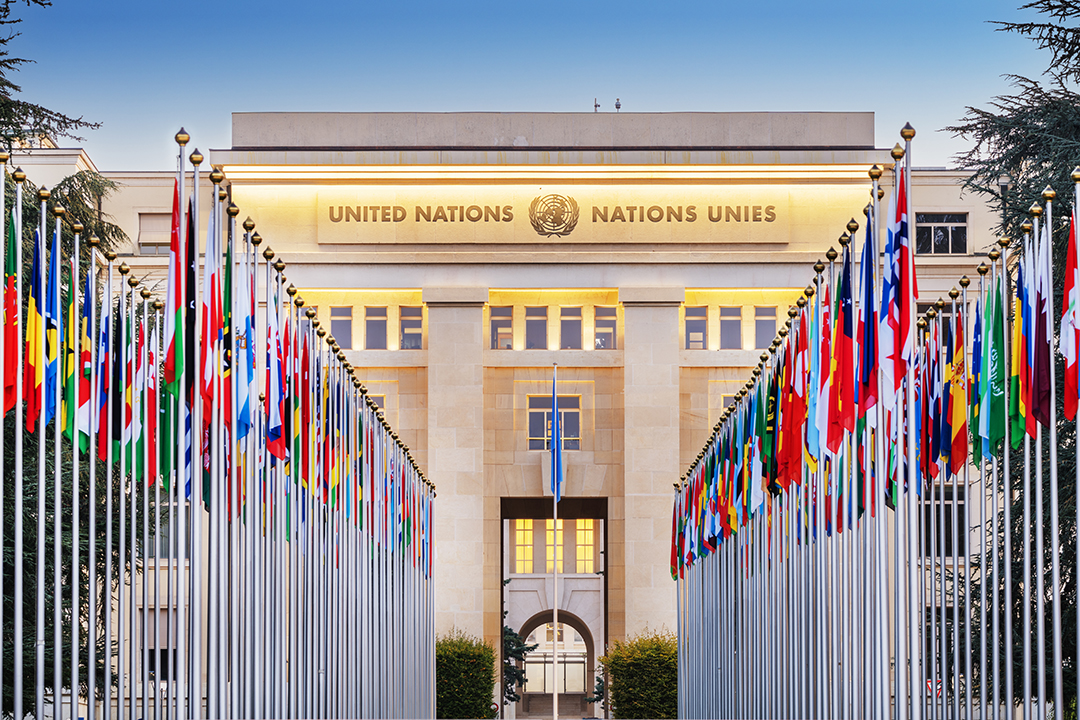
Geneva is one of the most important diplomatic capitals of the world. The Palais des Nations hosts conferences, negotiations and discussions that often influence global political trends. Besides the United Nations, the World Health Organization, the International Labour Organization and many other institutions are based here. This makes the city feel like a global crossroads, full of diplomats, researchers, aid workers and students from all over the world.
This global role is also reflected in the city’s landmarks. The Broken Chair, a huge chair with one leg missing, stands as a reminder of civilian victims of war and as a sign of the fight against landmines. The International Red Cross Museum is one of the most unique museums in Europe, not just showing the history of the organisation, but also raising questions about ethics, humanity and solidarity in today’s world.
Geneva is, in that sense, a city for a different kind of tourism. It is not just about the architecture and the views, but also about understanding how the world is run, how it heals, and how people try to make sense of it and find solutions in times of conflict.
Geneva is known as one of the more expensive destinations in Europe, so careful planning is an important part of the travel experience. Despite the high prices, the city has plenty of advantages, especially its orderliness, safety and excellent public transport. This is good news for travellers who prefer budget-friendly hostels, as both Geneva and Switzerland never fail to deliver. Many accommodations offer a public transportation card, which makes it easier to get around and explore the city. Thanks to the compact city centre, most of the sights can be explored on foot. Geneva is also a very practical city to fly into. The airport runs smoothly, getting to the centre is quick, and the city works well as a base if you plan to travel around Switzerland and France.
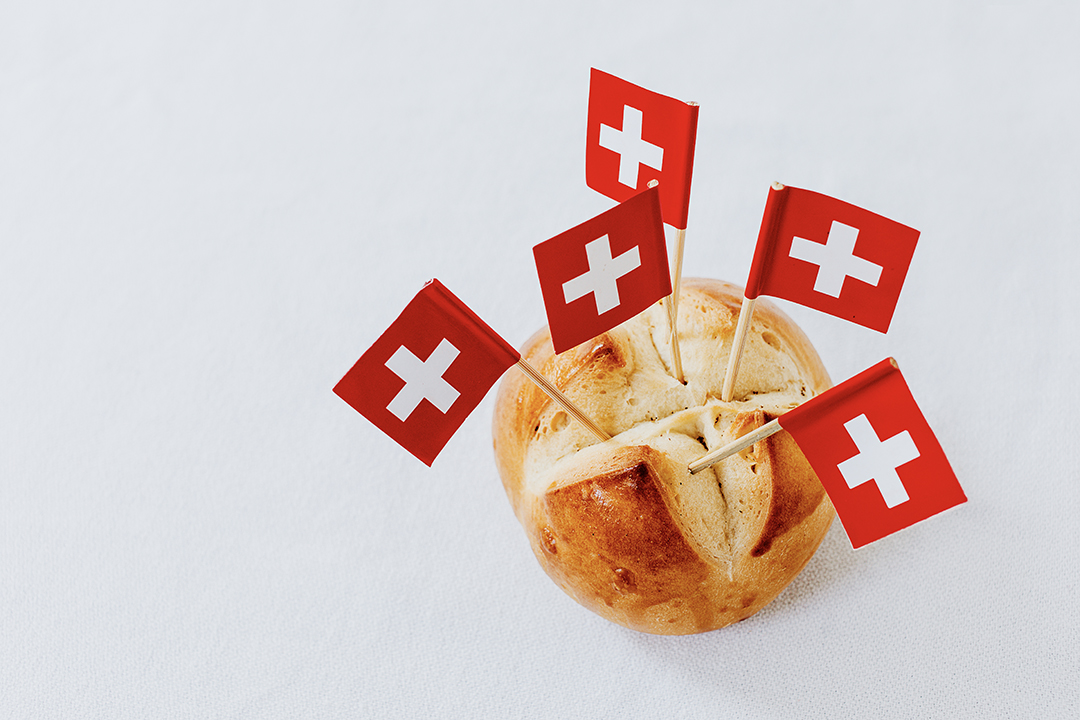
From a culinary perspective, Geneva brings together Swiss tradition with a more modern, international feel. Fondue, Raclette and Rösti are the most recognisable classics, but the city also offers a wide range of international cuisines, thanks to its diverse population. In local bakeries you can find good quality pastries and desserts, which makes it easy to eat well without having to rely on restaurants all the time. Markets and supermarkets in Geneva also offer a wide range of good quality ready meals, which often leads to a popular local habit of eating in the park or by the lake. Still, the country’s most famous food is without a doubt Swiss chocolate, and you will notice it everywhere, from local bakeries and traditional desserts to souvenir shops, all of which can easily be part of a sweet, self-guided tasting tour around the city.
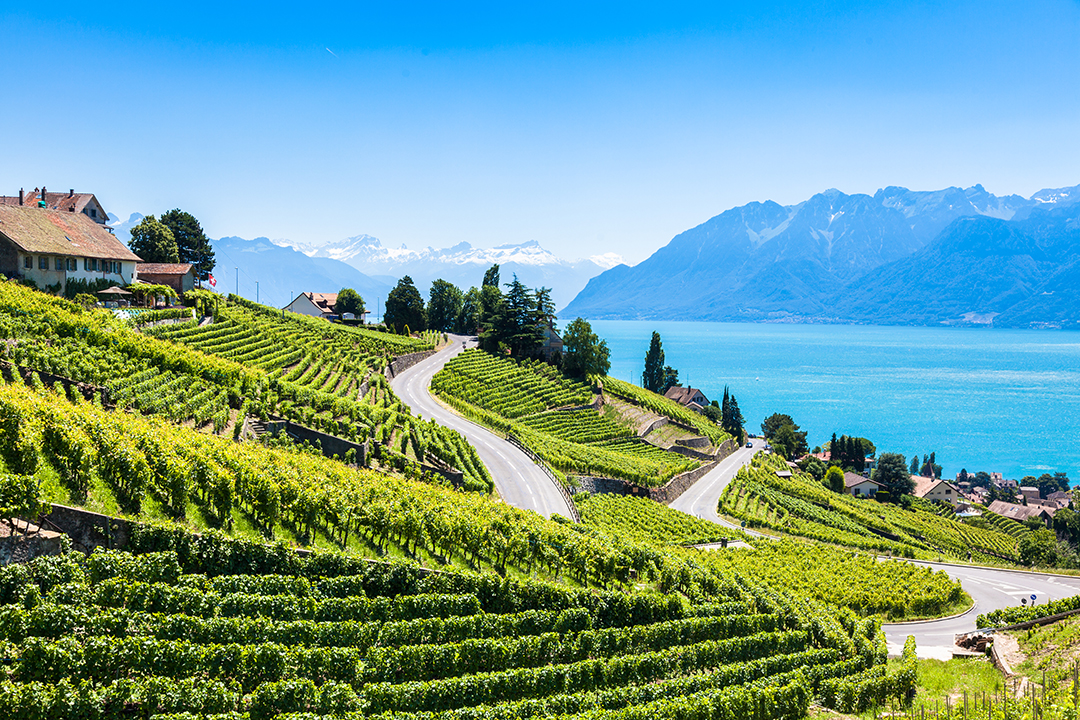
Geneva is ideally located for day trips. Nearby is Mont Salève, often called the Geneva balcony, which offers an impressive view of the city, the lake and the Alps. Trips can also include Lausanne, a cultural city by the lake, or the Lavaux vineyards, a UNESCO protected area and one of the most beautiful wine regions in Europe.
The location near France offers additional options for excellent day trips. The most appealing is Annecy, the city of canals by a lake. It is often described as one of the most romantic destinations in the region. Chamonix, at the foot of Mont Blanc, offers dramatic Alpine scenery, hiking trails, cable cars and panoramic views. Because of these trips, Geneva often becomes more than just a city and serves as an ideal base for exploring one of Europe’s most beautiful natural regions. It is this combination of lakeside calm and access to the Alps that gives Geneva its special appeal for travellers. In a short time, you can see everything from international institutions to mountain views.
Geneva often surprises visitors with small details on each return visit, details that most people do not expect at first. One of the most interesting aspects is the scientific scene. In the surrounding area is CERN, one of the world’s leading research centres, focused on the study of atomic particles, the Large Hadron Collider, and continuous collaboration between scientists from around the world. This gives Geneva a layer of identity that goes beyond diplomacy.

Watchmaking is another important symbol, which represents not just the city but Switzerland as a whole. Geneva is one of the main centres of Swiss watchmaking, home to brands like Rolex, Vacheron Constantin, and Patek Philippe, and the Patek Philippe Museum is a great place to learn more about the craft. This culture of precision, quality and near obsession with detail shows itself not only in luxury shops but also in the rhythm of the city. The city is orderly, functional, stable and almost mathematically precise, and this very stability creates a sense of calm, making Geneva often feel like a place to relax compared with the faster pace of life in other Swiss cities, such as Zurich.
Geneva is a city where, in a single day, you can experience the history of the Reformation, the lake and nature, global diplomacy, science and Alpine views, a combination offered by very few European destinations.
Geneva is a city that delights visitors when explored in detail and rewards them richly for doing so. Its appeal lies in the balance between nature and the global spotlight, between order and relaxed lakeside life, and between rich history and modern influence.
Visitors often find that Geneva is not a city of dramatic tourist attractions. Instead, it takes pride in its subtle character, seen in hidden views of the Alps from the lake, the quiet of the old town compared with other places known for international institutions, and the quality of everyday experiences for travellers. Geneva, and Switzerland as a whole, is ideal for those seeking a calm and culturally rich experience while keeping nature close at hand, as our journalist Mateja discovered during her exploration of the country.

Copyright (©) 2010 - 2026 Youth Hostel | Our Privacy Policy | Cookies | | RPC