Belgium is a country that seems like just a short stop between the Netherlands, France and Germany at first, but it quickly proves to be one of the most rewarding destinations in Europe. It lies at the meeting point of Romance and Germanic influences, which makes its character vary considerably from region to region. In Flanders people mainly speak Dutch, in Wallonia it is French, and in the east, there is a small German-speaking community. This diversity shows up in the architecture, the feel of the cities, the food and the local customs. Belgium often feels like several countries rolled into one, each with its own identity.
One of the biggest advantages of Belgium as a destination is its accessibility. The country is perfect for exploring by train, with fast and frequent connections between major cities, allowing you to experience several different city vibes in just a few days. Brussels, Ghent, Bruges, Antwerp, Leuven and Liège are so well connected that you can get around without a car, which not only saves time for travellers but also supports the green tourism approach the country takes great pride in. Belgium is perfect for travellers who want a short trip that is packed with cultural insights.
Belgium's history is quite complex. It was part of the Roman Empire, medieval counties, and the Burgundian Netherlands, and later part of the United Kingdom of the Netherlands, until it became independent in 1830. This layered history can still be seen today in the town squares, traditional houses, churches and museums, which often reveal the important role Belgian cities played in European trade and culture.
Brussels, the main starting point for most tourists with excellent land and air connections, is a city of dual identity. On the one hand, it is the Belgian capital and, on the other hand, the political heart of Europe. Brussels hosts the institutions of the European Union and NATO, which gives the city a clear international feel. The streets are full of different languages, and the restaurants offer food from all over the world. The city buzz often reflects a mix of local life and the rhythms of global diplomacy, and this pace of life can surprise many visitors. Nevertheless, Brussels is not a cold political capital, but a city with a distinct and unique personality as well as a slight rebellious energy.
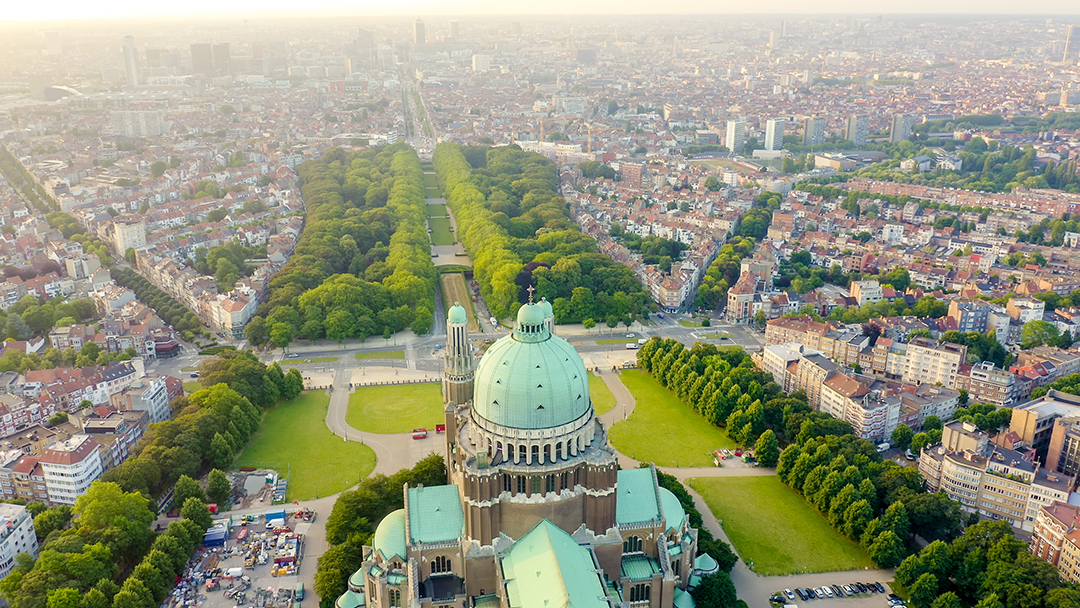
The most iconic and central spot is the Grand Place, one of the most beautiful squares in the world. It is lined with lavishly decorated guild houses and a grand town hall, which acts as the heart of the city both by day and by night. In the evening, the square lights up with colourful illumination, often making visitors feel as if they have stepped onto the set of a historic film.
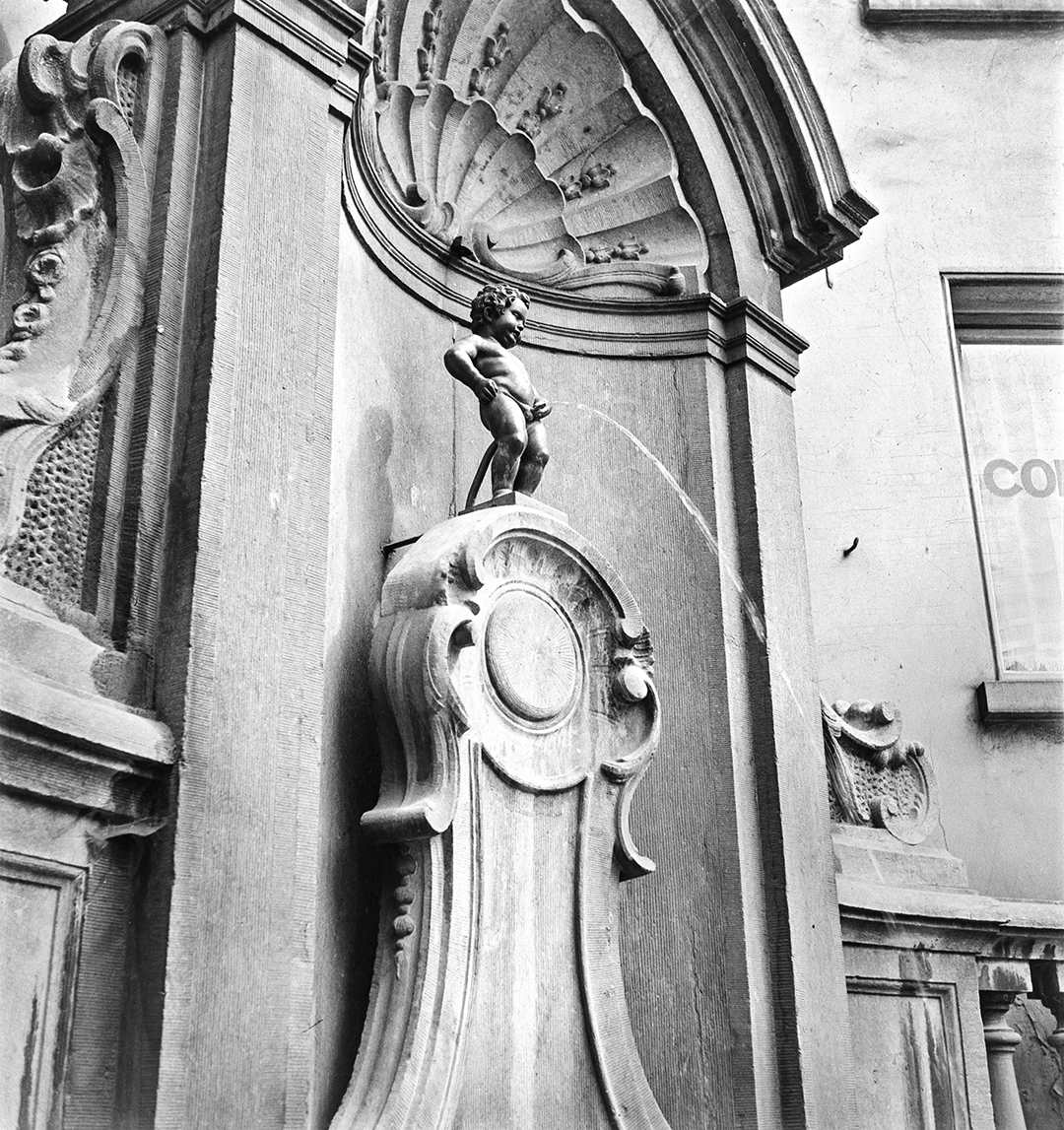
Just a few steps away is one of Europe’s most unique and playful attractions, Manneken Pis. This small statue, alongside other landmarks like the Atomium, has become a symbol of the city and an ironic but essential photo in every traveller’s album.
Brussels is also the capital of comics culture. Belgium is home to Tintin, the Smurfs and many other famous characters. In the city, this shows up in murals on building façades, museums and themed trails. The experience is made even more special by Belgium’s unique architecture. Brussels, in particular, is a European centre for art nouveau, with Victor Horta as a key creator. His buildings are not only visually impressive, but they are also important for the development of modern architecture in Europe.
Food in Brussels, like its architecture and politics, is an essential part of the city’s identity. French fries are not just a side dish but an important part of the culture. Waffles also come in countless varieties, and chocolate is not a souvenir but a source of national pride. Beyond the classic sweets and snacks, Brussels also has a strong beer culture, from traditional Trappists to Belgian sour styles that often surprise even experienced beer lovers.
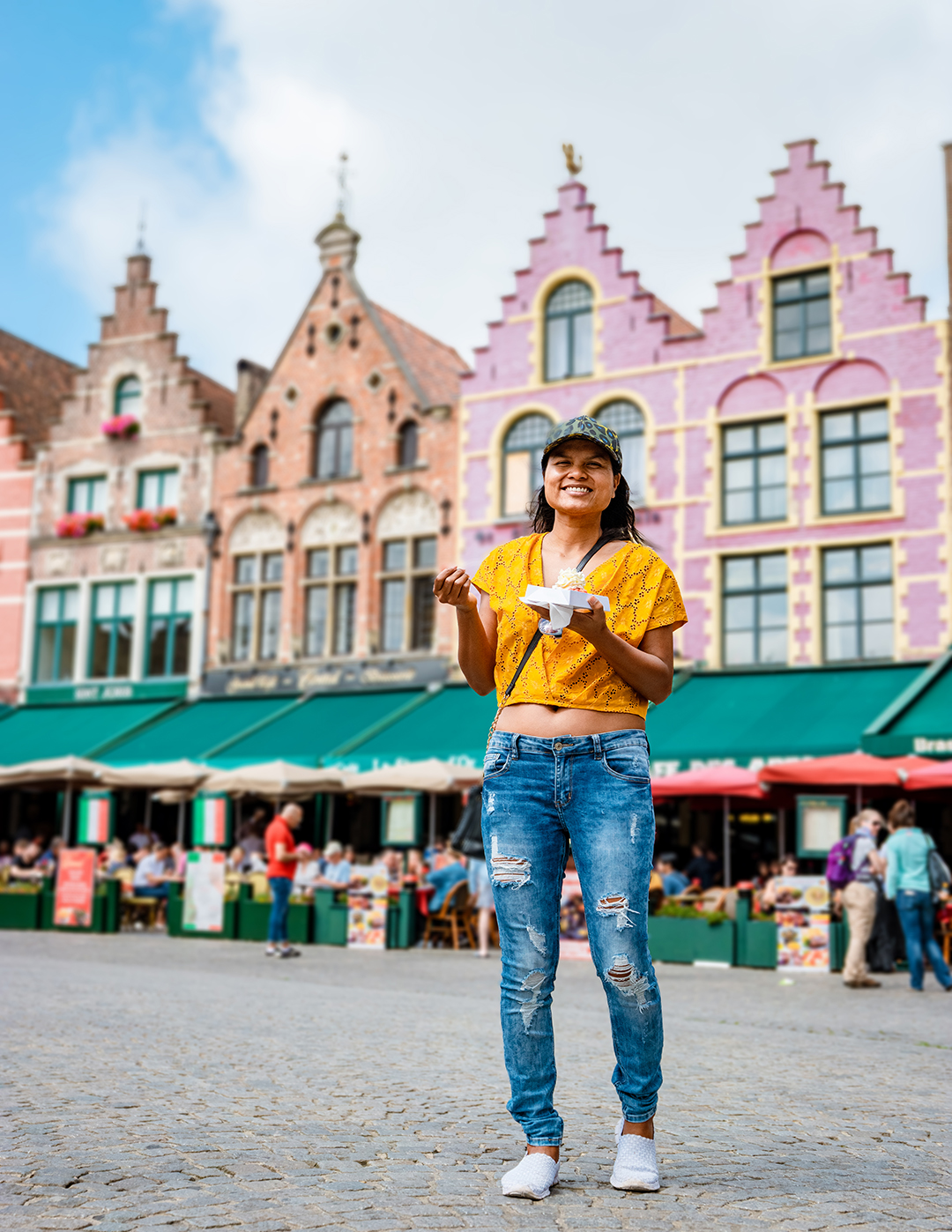
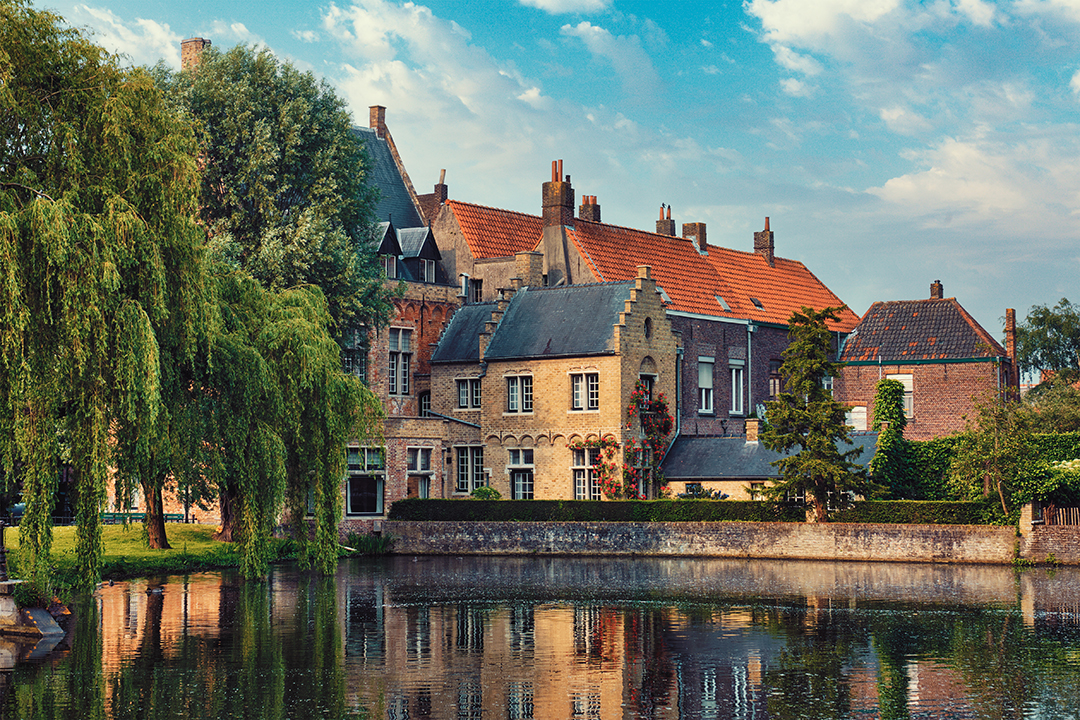
Let us start with Bruges, one of the most romantic places in Europe. Its historic centre is over a thousand years old and remarkably well preserved. Canals, narrow streets, brick façades and Gothic towers that remind you of its Dutch neighbour, give the city an almost fairytale atmosphere. In the Middle Ages, Bruges was one of Europe’s wealthiest cities, thanks largely to the textile trade and its place in the Hanseatic networks. Today, that wealth is still visible in the architecture, the strong presence of churches, and the art preserved in the city’s many museums.
Walking around the city often works best without a strict plan. The canals, which centuries ago served as the main entry point for merchants carrying the wealth of Belgian colonies and are still a hallmark of this part of Europe, offer a peaceful view of Bruges. The Markt square with its famous Belfry remains the centre of the city’s activity. Personally, I think Bruges is at its most beautiful and charming early in the morning or late in the evening, when the crowds thin out and the cobblestones reflect the streetlights. It is at these moments that you can truly feel why the city is often described as a living postcard.
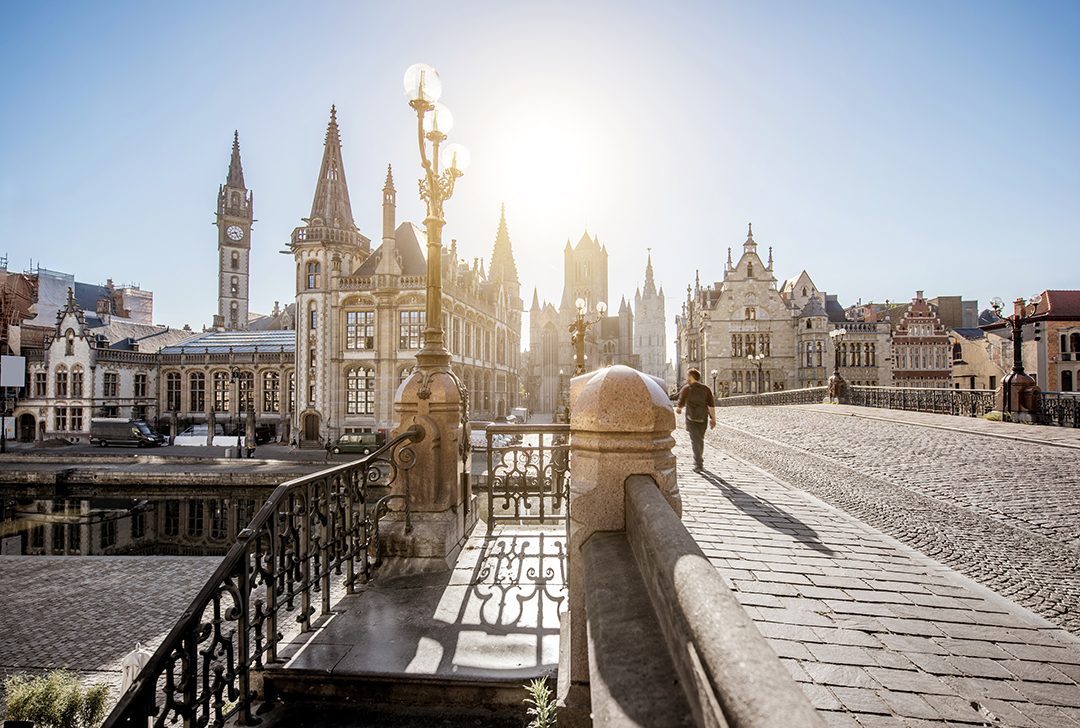
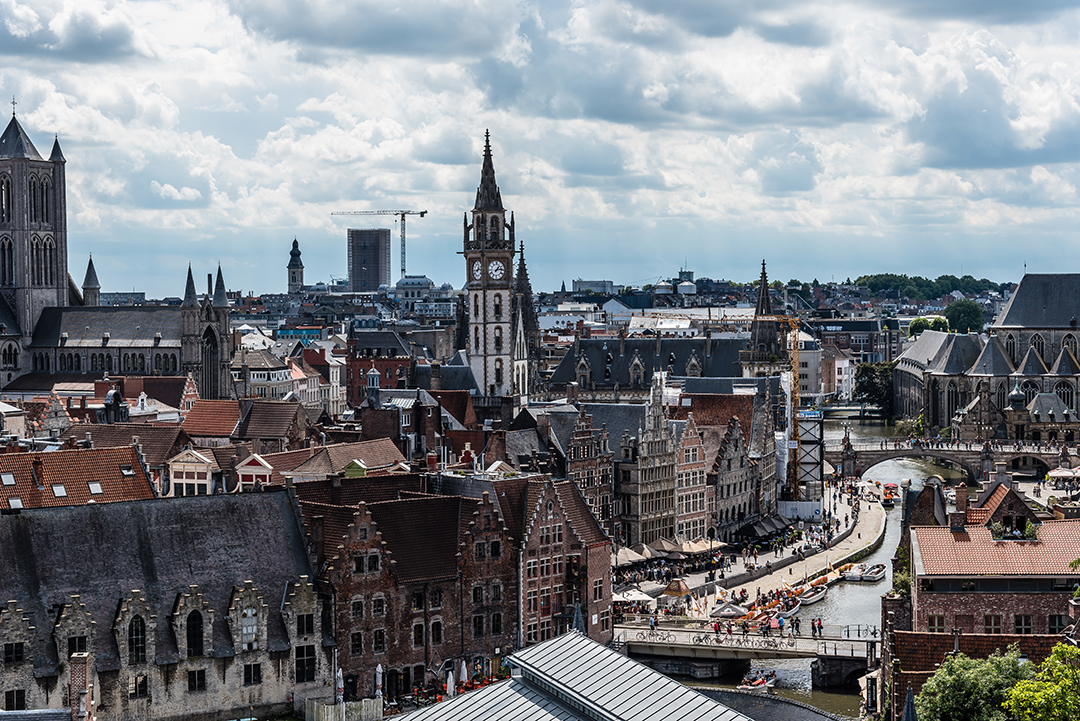
The nearby city of Ghent is a bit different. It is livelier and more urban, with a more modern edge, yet it still has medieval character. You can see it in the three well known towers, St Nicholas’ Church, the Belfry, and St Bavo’s Cathedral. And right in the middle of it all stands the imposing Gravensteen Castle, which makes a striking contrast with the pace of modern city life. Compared with Bruges, it is worth noting that Ghent is probably the country’s main student city. The cultural scene is lively, and galleries, alternative bars and music events give the city a creative energy. Ghent is also famous for its evening lights. The way the city is lit up brings the architecture to life and tells the story of its centuries-old history. It is one of the few European cities where history and modern life blend so naturally.
Antwerp has a more modern and industrial feel than Bruges or Ghent and comes across as more daring than Brussels. It is one of Europe’s largest port centres and a world-famous hub for the diamond trade, which means the city has played a key role in shaping European colonial history for centuries. You can read an article on Antwerp written by our journalist Erik.
Even arriving by train, as journalist Manca described in her article, feels like an attraction in its own right and a really unique travel experience. Antwerp Central Station, with its enormous partly glass dome and lavish interior, is often seen as one of the most beautiful railway stations in the world.
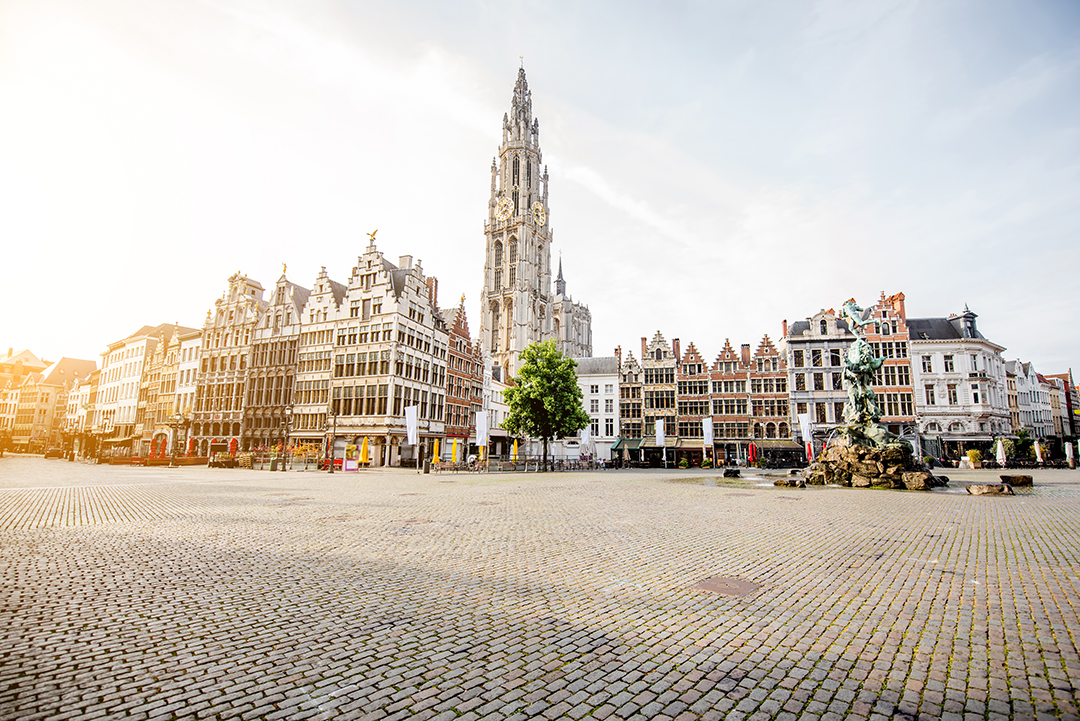
The old town may be small, but it packs in a surprising amount, with classic Flemish architecture, the wide-open Grote Markt lined with guild houses, and a central cathedral where you can see works by Peter Paul Rubens. He is almost synonymous with Antwerp itself, a symbol of the city’s artistic strength and cultural influence. Museums and exhibitions often show just how important the city was during the Flemish Renaissance and the golden age of trade.
Antwerp is also known around the world for its fashion scene. Back in the eighties, the Antwerp Six defined European fashion, and you can still see their influence today in the city’s streets, boutiques, and creative hubs.
The MAS museum by the docks gives a modern take on the city’s history of trade, migration and cultural exchange, and you can also catch one of the best views from up there.
Antwerp is perfect for travellers who like to take in both the history and the modern city life, and where you can enjoy the sights without losing touch with how the locals live.
Belgian cuisine is one of the strongest in Europe, but it is often unfairly reduced to just three clichés: chocolate, waffles and fries. There is no doubt that all of these have a huge and immediately obvious cult status in Belgium, but Belgian cuisine goes much deeper and is highly regional.
Its strongest symbol is beer. Belgian beer culture is not only diverse, but also almost scholarly in its depth. Trappist beers, brewed in monasteries, are among the most prized in the world, while lambic and gueuze stand out for their unique spontaneous fermentation, creating complex, wine-like flavours.
Belgian cuisine, partly thanks to its climate, has a strong tradition of hearty, warming dishes such as Carbonnade flamande, a beef stew cooked in beer. It is one of the country’s most iconic meals and is often served with fries. Moules frites, mussels with fries, are a classic along the coast and in the bigger cities in the north of the country.
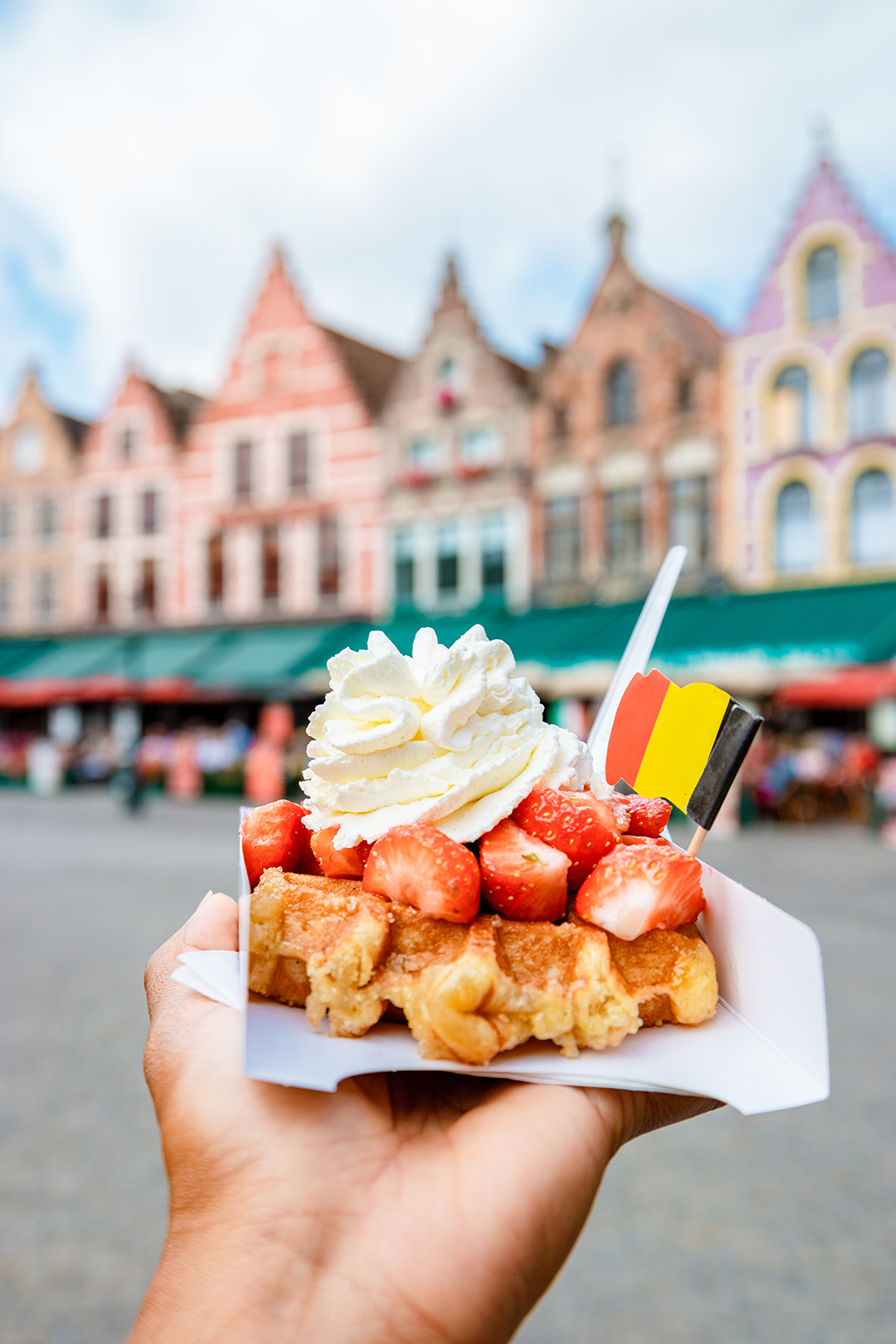
In the Wallonia region, the food tends to be more rustic and often influenced by French cuisine, with rich sauces and a focus on seasonal ingredients. Even the world-famous waffles, which seem to be everywhere, are not all the same. Liège waffles are thicker, caramelized and sweeter, Brussels waffles are lighter and crunchier. Belgian chocolate becomes a truly unique culinary experience when visitors try it in small chocolateries, where the focus is on traditional craftsmanship and artistic presentation.
The best part of visiting Belgium often shows itself in how convenient it is. The country is perfect for travelling without a car. The rail system makes day trips easy, and the cities are small enough to see most of the sights on foot. A common strategy for travellers is to base themselves in one city, such as Brussels or Leuven, and take day trips to explore other places. This keeps accommodation costs down, reduces the traveller’s carbon footprint, and allows for flexible planning. In cities like Ghent and Antwerp, cycling is also a big part of life, which makes getting around even easier.
Belgium is also interesting for its 20th-century history, which many people often overlook at first. The landscape around Ypres and across Flanders was one of the key frontlines of the First World War. Today, the area is full of museums, memorials and cemeteries, and it gives a real sense of European history while serving as a sobering reminder of the horrors of human nature. At the same time, this part of the country tells a very different story. Belgium is not just a romantic collection of idyllic medieval towns, but a place where chapters of world history were made.
The Belgian coast is another often overlooked side of the country. The towns of Ostend and Knokke have long sandy beaches, seafood cuisine, and fascinating Belle Époque architecture. In summer, they have a completely different atmosphere from the Flemish interior, appearing more relaxed and holiday-focused, while still being culturally rich.
Belgium has a lot to offer in a relatively small space. There are not many countries where you can experience medieval romance, modern city architecture, top-notch cuisine, and the political heart of Europe in such a short time. The variety in each region gives a trip through Belgium the feeling of several adventures at once, and every city has its own personality and character.
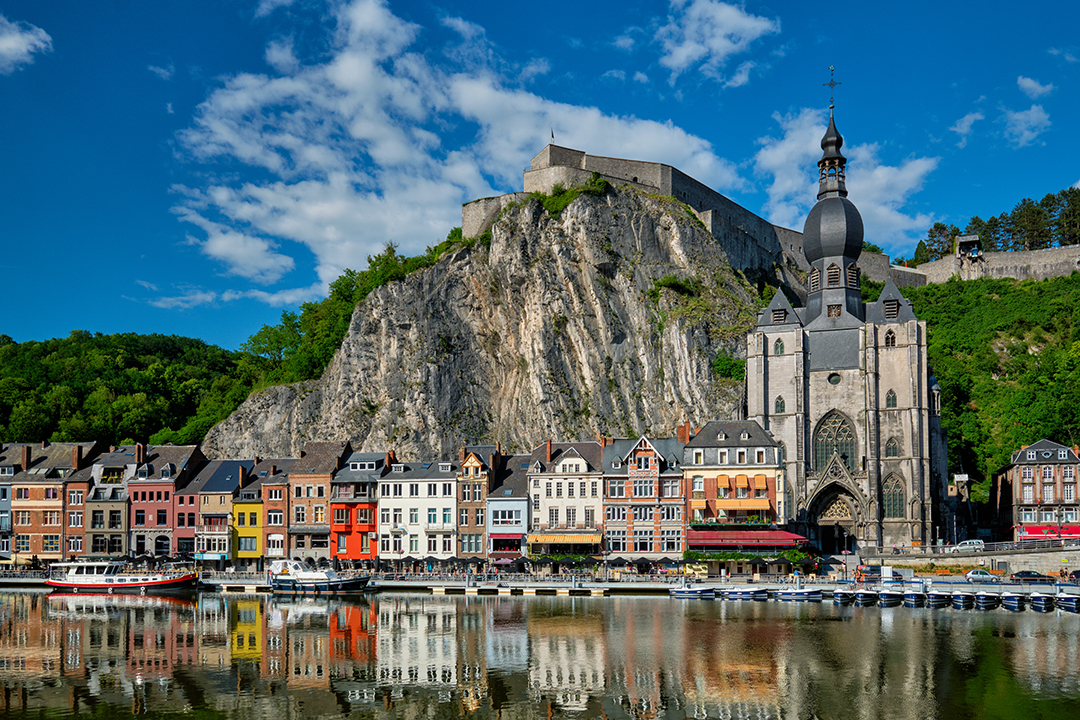
Belgium is not a country defined by a single iconic symbol. You see it in the light on the canals of Ghent, the quiet of Bruges in the morning, the lively streets of Brussels, the modern vibe of Antwerp, the smell of waffles, long beer menus, and in the sense that history here is not just in museums, but part of everyday life. Belgium often becomes a destination that many return to year after year, knowing that each visit will reveal a new layer of this small but surprisingly rich country.

Copyright (©) 2010 - 2026 Youth Hostel | Our Privacy Policy | Cookies | | RPC