The Netherlands, which we have already covered in some detail in previous issues of Globetrotter, is relatively small in size by European and global standards, yet astonishingly big in its influence, achievements and culture. It is famous mostly for its windmills, tulip fields and picturesque canals, but in reality, it has much more to offer than that.
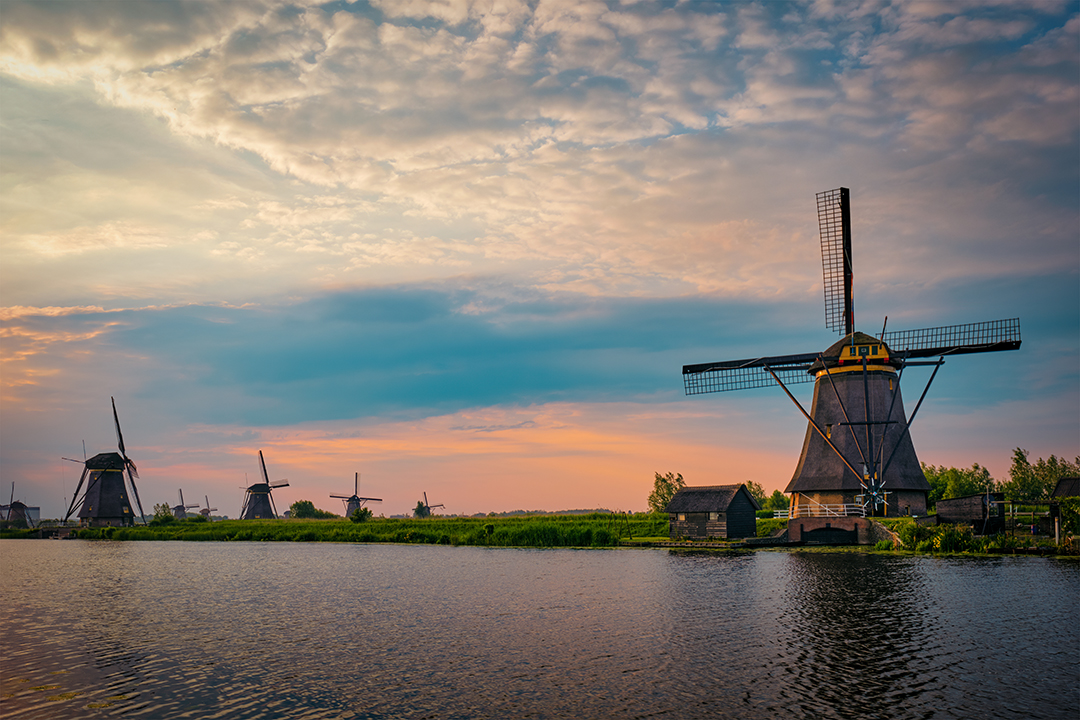
This is a country that has spent centuries showing its knack for living with nature and bending it to its will. Much of the country lies below sea level, so the Dutch began building dykes, sluices and dams as early as the Middle Ages, works that are now considered one of humanity’s greatest engineering achievements. Today the country is a pioneer in sustainable urban planning and eco-friendly solutions admired around the world.
For travellers, the Netherlands is incredibly welcoming and easy to get around. Thanks to its compact size, it can be explored almost entirely by train or bike. The ride from Amsterdam to Rotterdam takes just over an hour and the distance between Utrecht and The Hague is even shorter. Visitors never have to deal with the stress of planning long journeys that often come with travelling through larger countries. In fact, many, including myself, recommend taking a few extra days to explore the country and venturing beyond Amsterdam to smaller towns and villages where the true Dutch spirit comes to life.
Although the Netherlands lacks mountains and rugged landscapes, it offers something just as unique – a perfectly flat terrain crisscrossed with cycle paths, canals and pastures where cows and horses peacefully coexist with modern wind turbines. This blend of nature, technology and tradition quickly captivates any visitor. Interestingly, the Netherlands is one of Europe’s most densely populated countries, yet it still feels spacious and orderly, a result of both smart urban planning and a landscape that embraces innovation.
Amsterdam is synonymous with the Netherlands, even though the city could easily be a small country with its own distinct identity. It is home to over 870,000 people, yet thanks to its canals, bridges and narrow streets, it still retains the charm of an authentic fishing village. The city has 165 canals stretching over 100 kilometres, which is why it is often called the Venice of the North. But Amsterdam is something entirely different – more relaxed, free and innovative.
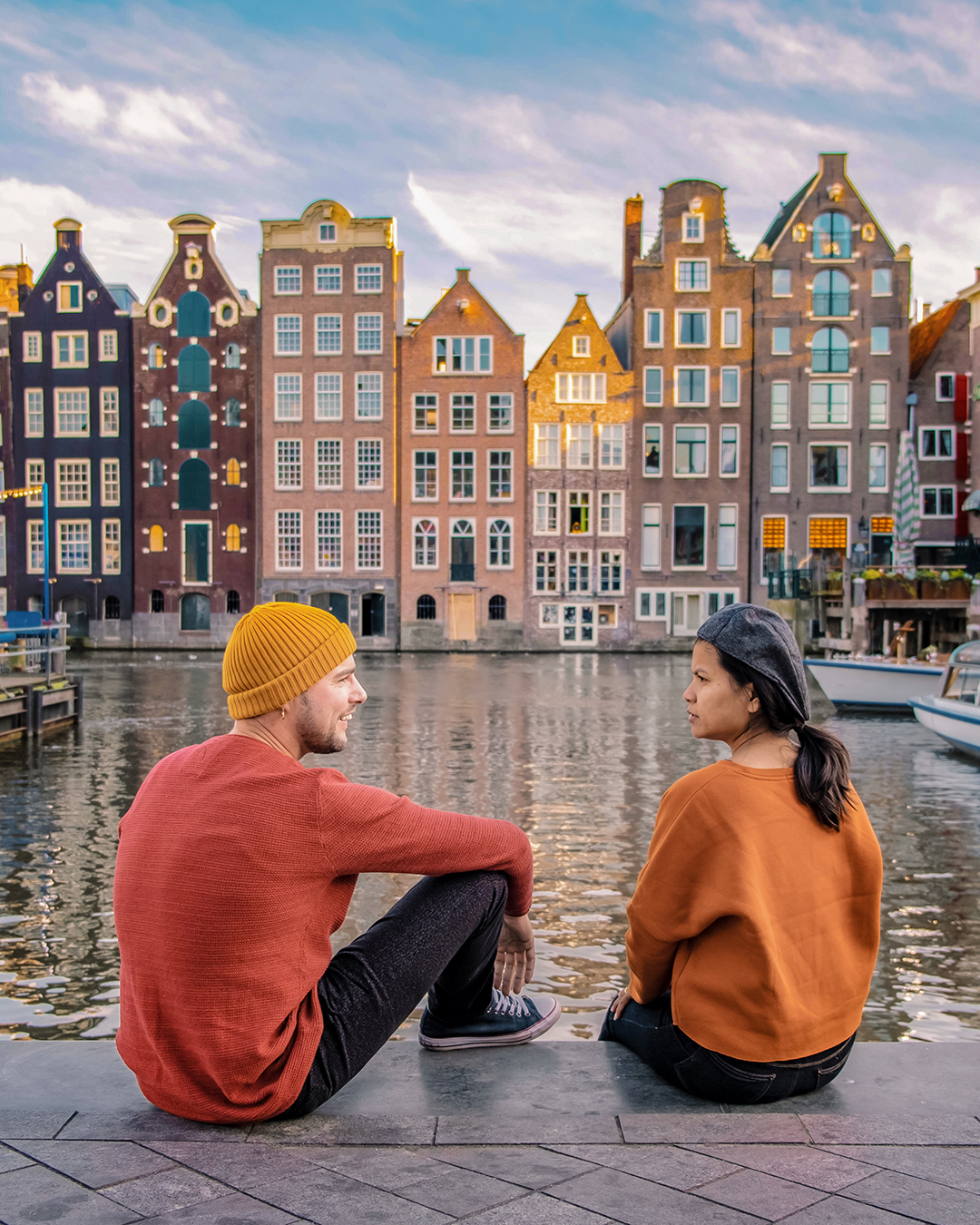
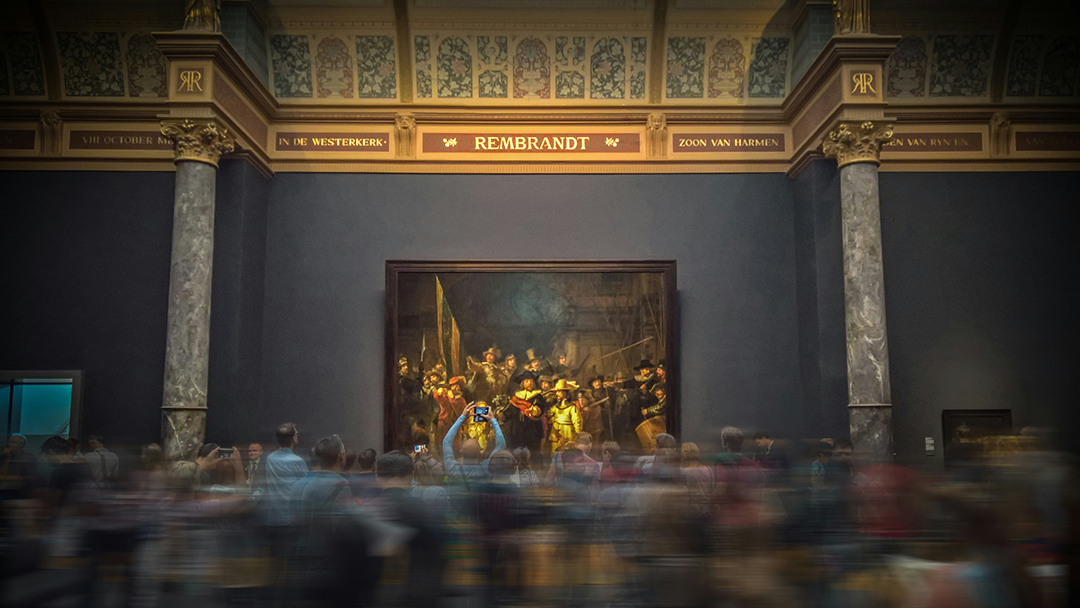
For visitors, a walk through the hidden streets and famous districts of the city, such as Jordaan, is a must. Once a working-class neighbourhood, it is now one of the most popular areas, full of cafés, boutiques and galleries. At the Albert Cuyp market in the De Pijp district, you can experience real street life, where you must try the freshly made stroopwafel. It is a thin waffle filled with caramel and one of the most popular Dutch sweets. Art lovers cannot miss the Rijksmuseum, home to works by Rembrandt and Vermeer, and the Van Gogh Museum, which offers insight into the life of one of the world’s most beloved artists. All the main sights are close to each other, making it ideal to explore on foot.
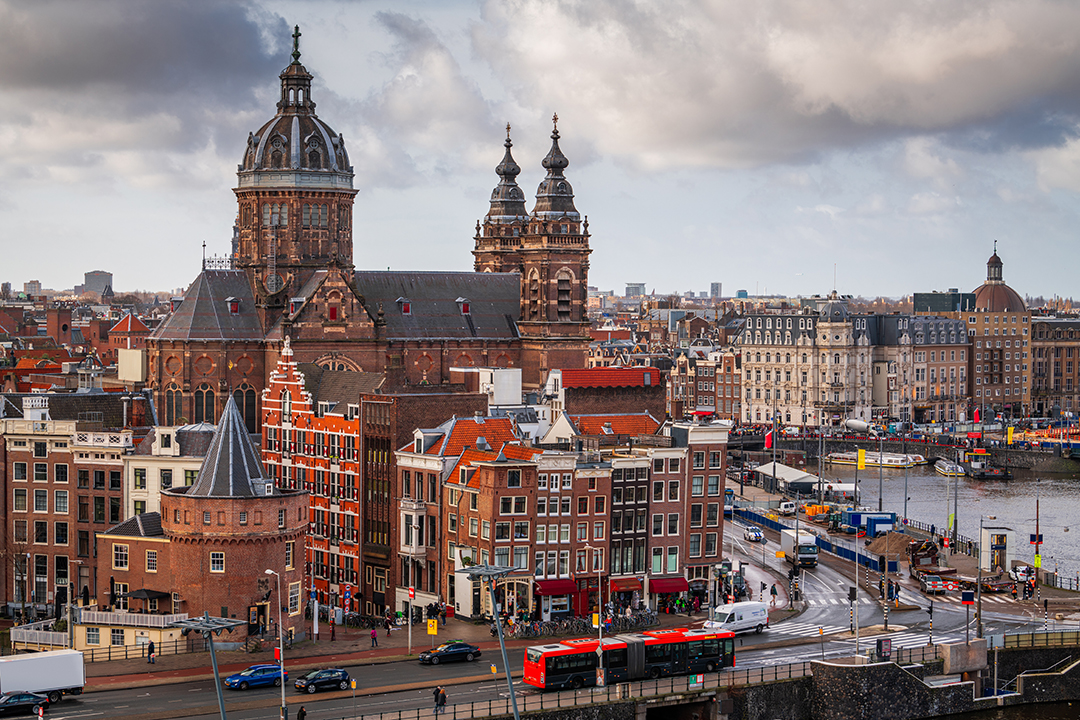
Amsterdam is also a city of contrasts. On the one hand, there are idyllic canals with illuminated houses in the controversial Red Light District, and on the other, a vibrant nightlife where traditional pubs sit alongside modern clubs.
Interestingly, there are more bikes in the city than people. They are not just for locals though, but for any visitor who wants to explore the city by bike.
In recent years, Amsterdam has established itself as a hub for sustainable trends, with numerous green hotels, zero-waste cafés and eco-friendly markets. This makes it appealing not only to those interested in culture but also to anyone looking for a modern and sustainable way to travel.
Although the Netherlands is a country of major cities and industry, nature also plays a big role. In fact, it is home to some of Europe’s most unique natural landscapes. The northern coast hides the beautiful islands of the Wadden Sea, such as Texel, Terschelling and Vlieland, known for their long sandy beaches, dunes and nature reserves. A unique experience is wadlopen, walking across the seabed between the islands at low tide, which can only be done with a local guide. You will not find an experience like this anywhere else in the world.
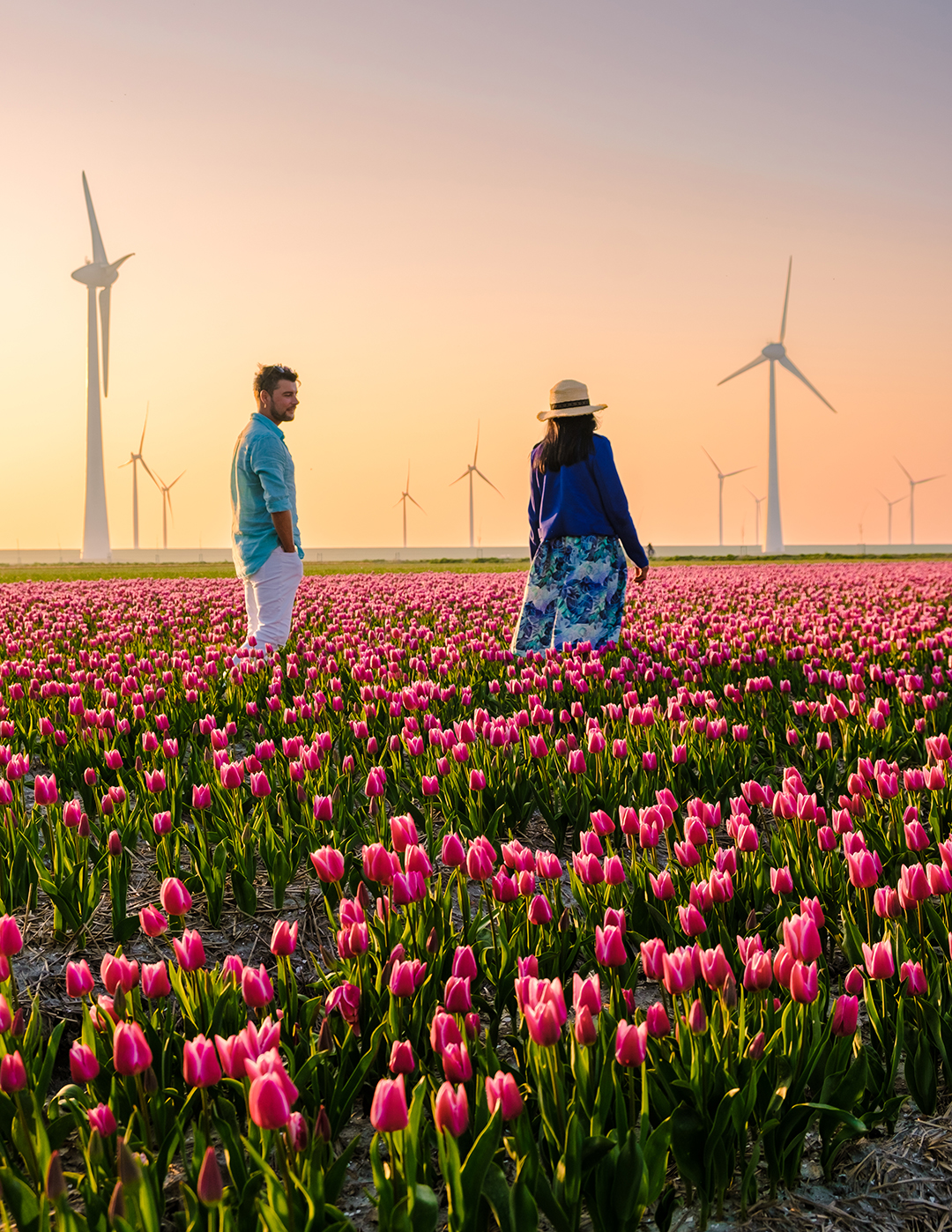
Spring in the Netherlands brings the famous tulip fields, which in the Middle Ages served as a form of early stock trading, especially around Keukenhof, the largest flower garden in the world. From March to May, the area comes alive with colour, as millions of flowers create scenes familiar worldwide from postcards and social media. Alongside tulips, you will also find daffodils, hyacinths and lilies, which highlight the country’s rich horticultural tradition.
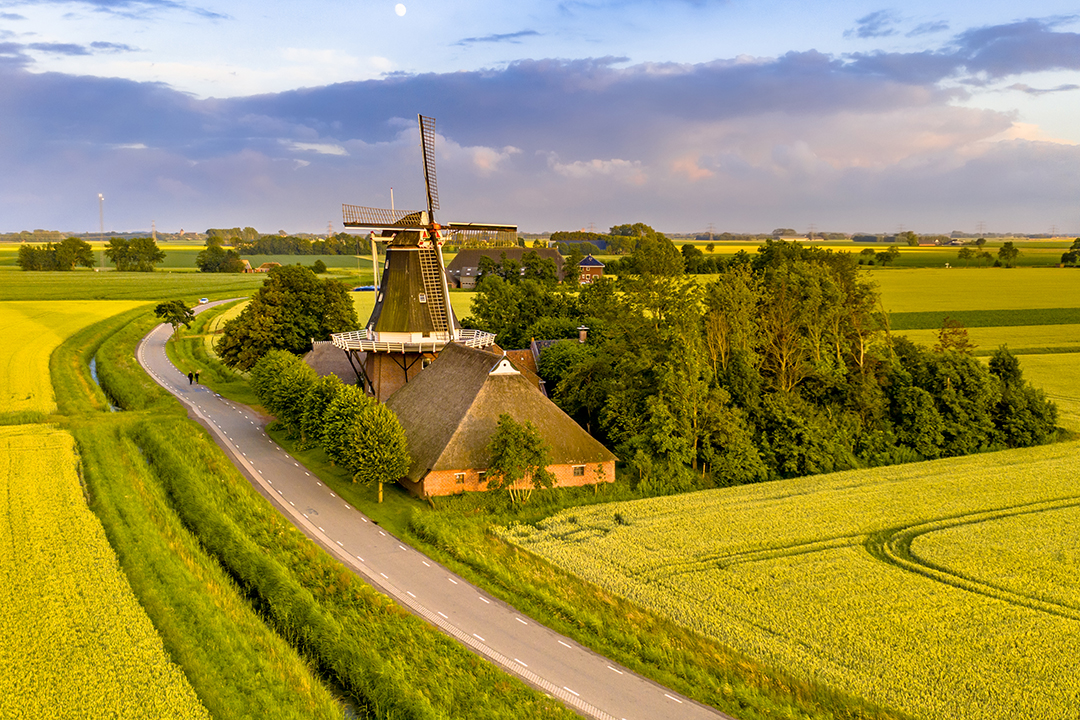
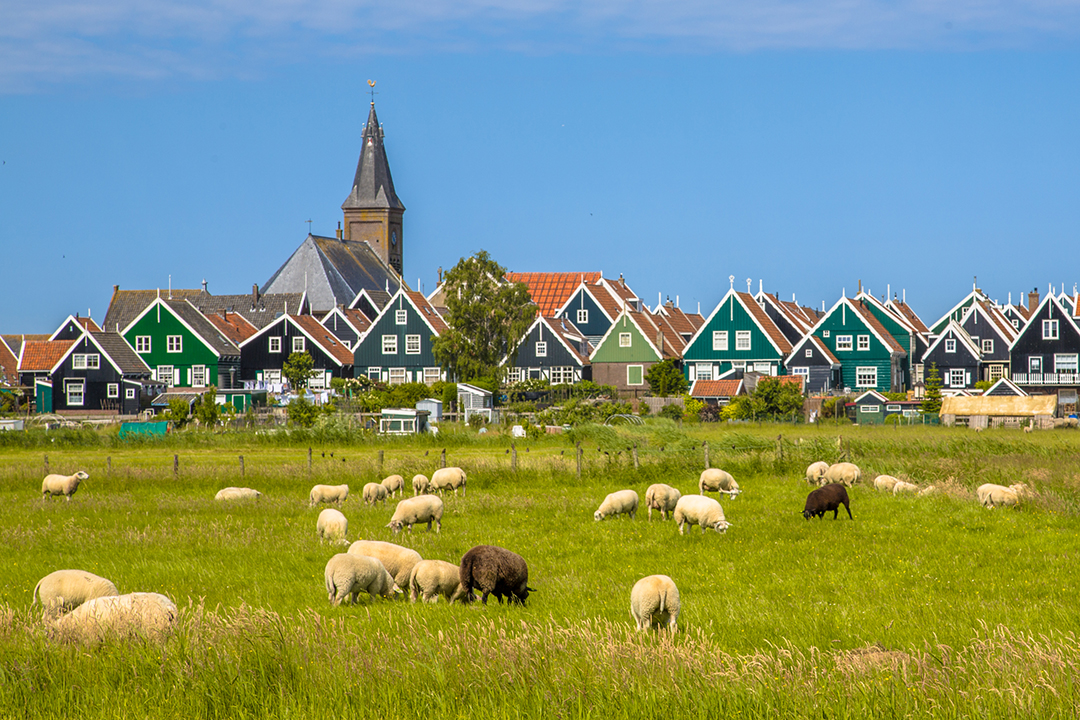
For travellers wanting to explore the countryside, we recommend the idyllic cycling and boating routes that link small villages with wooden houses, traditional windmills and pastures. In the southeast of the country, in the Limburg region, there are hills that invite hikers and cyclists who are looking for a little more challenge.
The Netherlands is also full of national parks. One of the best known is Hoge Veluwe, where forests, meadows and sand dunes meet, and home to the Kröller-Müller Museum with one of the largest collections of Van Gogh’s work. I believe it is this combination of art and nature that the Netherlands does best.
Rotterdam is undoubtedly the embodiment of Dutch innovation and courage. During the Second World War, the city was almost completely destroyed, but residents and urban planners decided not to rebuild it as it was and instead create something entirely new. Today Rotterdam is a playground for modern architecture, futuristic ideas and bold urban planning. Among the most famous sights are Markthal, a huge covered market with a colourful ceiling, the Erasmus Bridge, also known as the Swan, and the iconic Cube Houses, which never fail to surprise visitors with their unusual design.
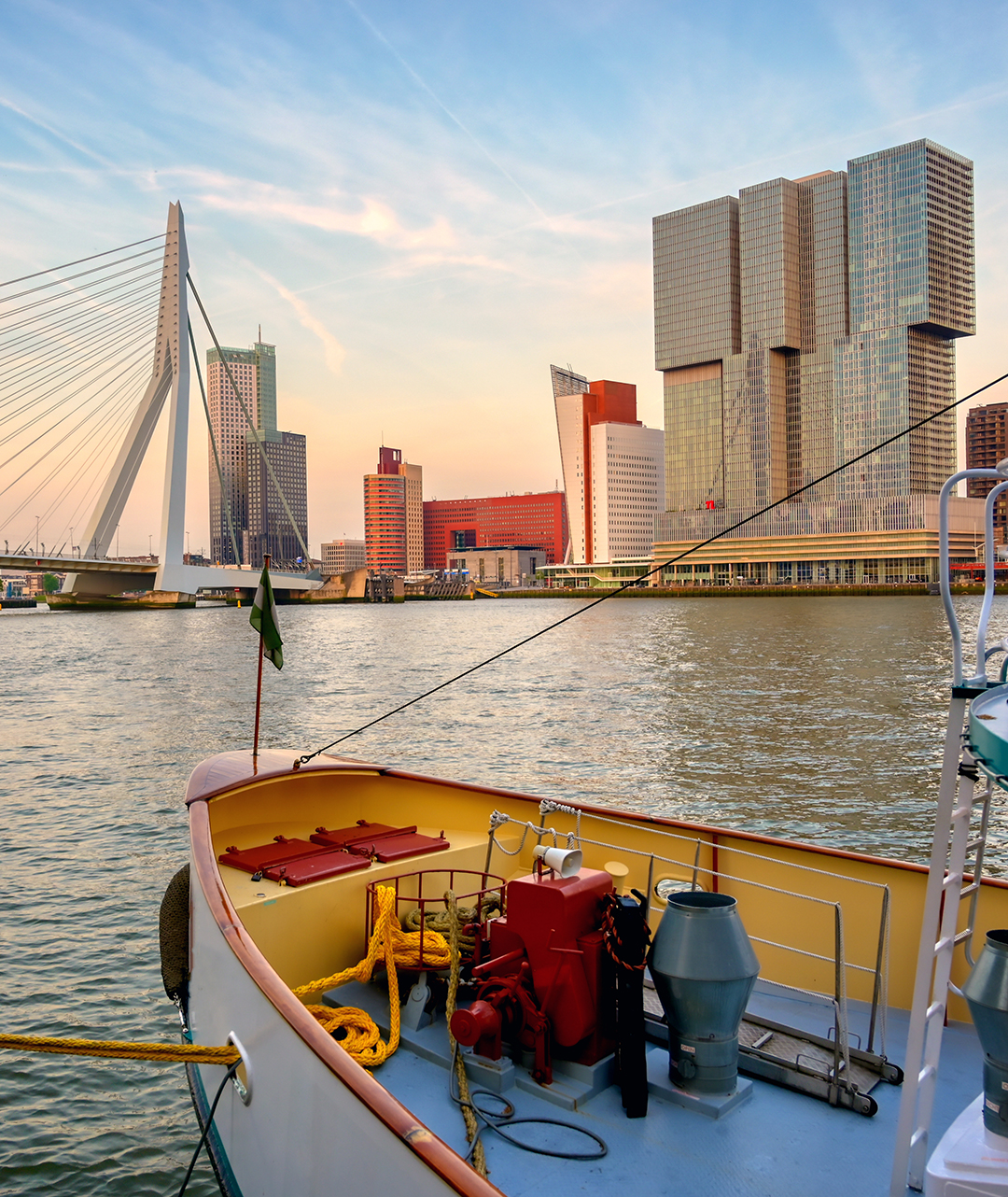
Aside from its architecture, Rotterdam is known for having one of the largest ports in the world, giving it a cosmopolitan feel while also offering visitors the chance to see the city from a completely different perspective. This is not a city with Amsterdam’s romantic past but a place where the future is being built every day, and the cultural scene is just as rich. Many museums such as Boijmans Van Beuningen, galleries and festivals attract visitors from all over the world.
Rotterdam is especially appealing to young travellers and offers a completely different perspective that stands in strong contrast to the usual image of the Netherlands. I recommend you go up the Euromast tower in the evening for stunning views of the illuminated port and explore the districts by day, where former industrial halls have been turned into art studios and trendy cafés. Rotterdam never stands still and encourages visitors to imagine what a city of the future could look like.
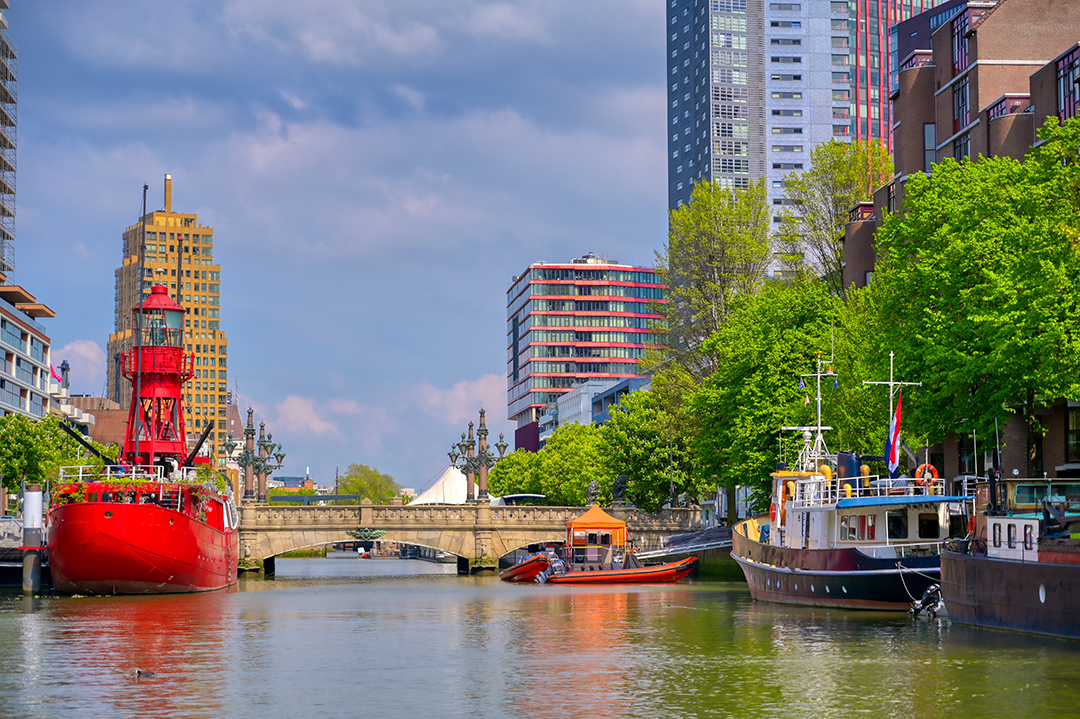
Utrecht is a city often called the “little Amsterdam”. Those who visit quickly realize that it is something special, as it is one of the oldest cities in the Netherlands, with history visible on every street, while a large student population gives it a youthful, energetic vibe.
The 112-metre-high Domtoren Tower is the tallest church tower in the country that offers a beautiful view of the city. But the real charm of Utrecht lies along its canals. Unlike Amsterdam, the canals there have lower arches, which were once used to store goods and are now home to cafés, restaurants and small galleries. Visitors can enjoy a coffee just above the water, which is a truly unique experience.
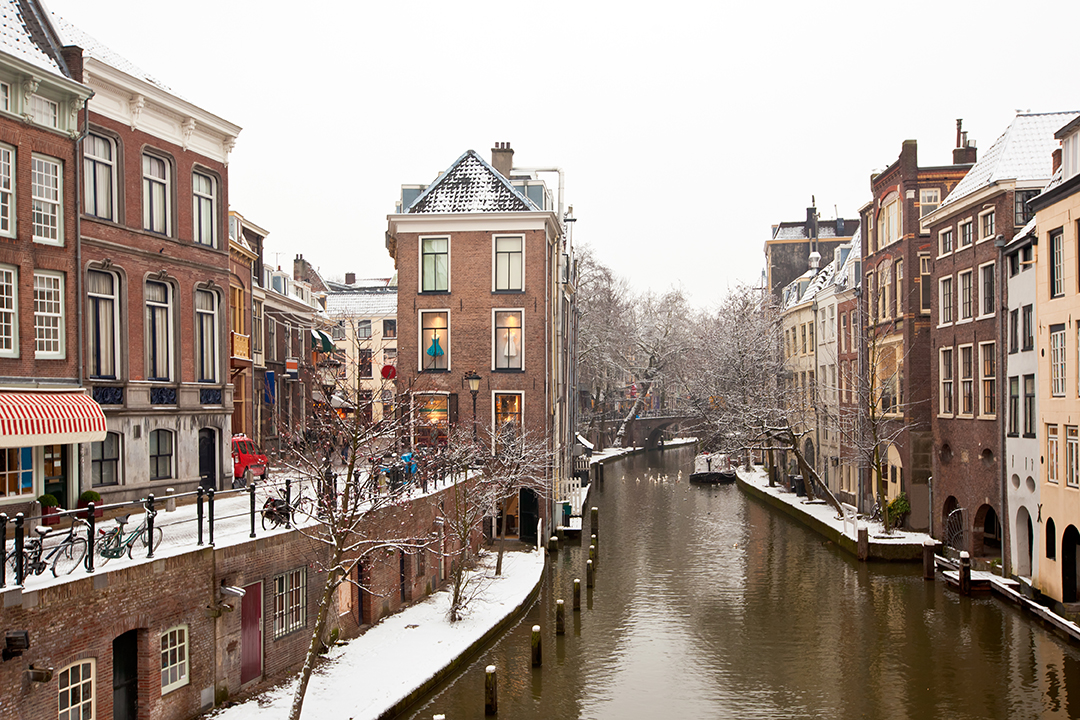
Utrecht is also a major cultural centre. The university, founded in 1636, is one of the oldest and most prestigious in Europe, giving the city a lively and diverse intellectual atmosphere. You cannot miss the many festivals, especially the Early Music Festival, which draws visitors from all over the world.
Art fans can stop by the Centraal Museum, which houses works by Dutch masters as well as contemporary artists. If you are interested in exploring culture, you can cycle Dutch-style to the nearby De Haar Castle, one of the best-preserved castles in Europe.
Utrecht is also easy to get around. It is small enough to explore on foot or by bike, yet big enough that there is always something new to discover.
The Netherlands went through a period in the 17th century known as the Golden Age. At that time, the country became a leading maritime and trading power, which showed in the wealth of its art, science and architecture. Cities like Haarlem and Leiden still offer a glimpse into life during that period.
On the streets, you can admire houses with stepped gables, and in the museums, you will find works by masters like Rembrandt, Vermeer and Frans Hals. The Rijksmuseum in Amsterdam and the Mauritshuis in The Hague are two of the top galleries to admire paintings that have shaped European art.
But Dutch history is not just about art. The country was also built on colonialism, including the slave trade, a legacy that is now part of public debate and historical reflection. That honesty comes through in museums like the Tropenmuseum, where you can explore the broader context of Dutch colonial history.
The Netherlands is also known for its innovations in science. Leiden saw the founding of the first modern university observatory in 1609, and it was also home to the scientist Christiaan Huygens, who, among other things, discovered the rings of Saturn. Exploring Dutch history gives a real sense of a country that has always been practical, thoughtful and ahead of its time.
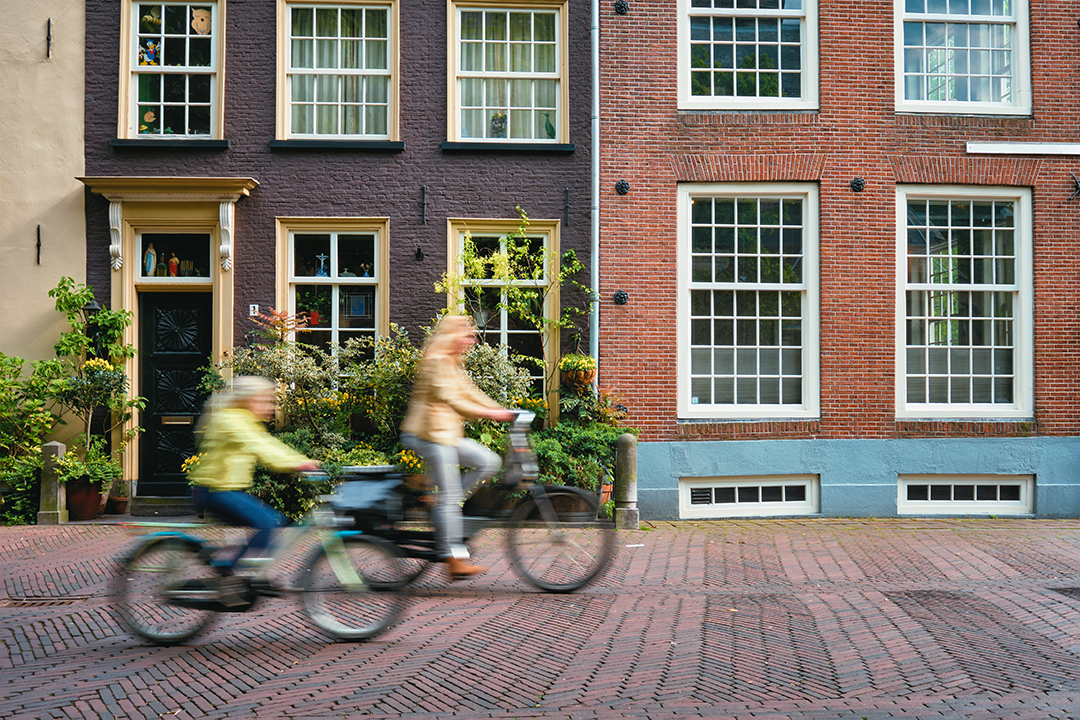
If there is one symbol of the Netherlands that goes beyond tulips and windmills, it is the bicycle. With over 35,000 kilometres of well-maintained cycling paths, the country is a paradise for cyclists. It is not unusual to see whole families cycling everywhere, from school to work, or from the market to a café. Renting a bike is a must if you want to really get a feel for the pace of the country.
The Dutch are not known for their practicality alone; they are also famous for being open-minded. It is one of the most liberal societies in the world, where human rights and equality are firmly rooted in the culture. In the bigger cities, you notice it in the streets, where different cultures and languages are all around you. For anyone visiting, this also means a rich culinary scene. Alongside traditional dishes like herring, poffertjes and Gouda cheese, you can also try Indonesian specialties, a legacy of the country’s colonial past.

Cafés are something special in Dutch culture. They are not just places for a quick coffee, but social hubs and spots to relax, sometimes with the help of partially legal cannabis. At the weekends, they are full of families, students and older people enjoying time together. All of this creates a warm and relaxed atmosphere that quickly draws you in. Perhaps the greatest charm of Dutch life lies in its balance, between work and leisure, nature and city, and simplicity and innovation.
The Netherlands shows that a country’s strength lies in its people, its ideas and its vision. Many people come for Amsterdam, but the real charm of the Netherlands is in its variety, from modern Rotterdam and cultural Utrecht to the calm coastal dunes and the colourful tulip fields that make spring feel like a dream. It is a country where history and the future go hand in hand, where sustainability and modern technology are not trends but a way of life, and where you always feel welcome.
The Netherlands is a traveller’s paradise, small yet easy to get around, urban yet in tune with nature, simple yet full of depth. It is a corner of the world that does not shout to impress but quietly wins you over with the sound of bikes, the smiles of locals and the everyday scenes that stay with you for years.
The Netherlands is not just a place to visit; it is a feeling and a reminder that the world can work in harmony when people build it together. You can read more about this remarkable connection and many other Dutch secrets in the expert-backed Lonely Planet guides.

Copyright (©) 2010 - 2026 Youth Hostel | Our Privacy Policy | Cookies | | RPC