Peru is a country of spectacular landscapes, archaeological treasures and ancient traditions, which together make for an unforgettable experience. This is a country that called to me for a long time, until one day I decided to embark on a six-week solo trip through one of the most beautiful parts of South America.
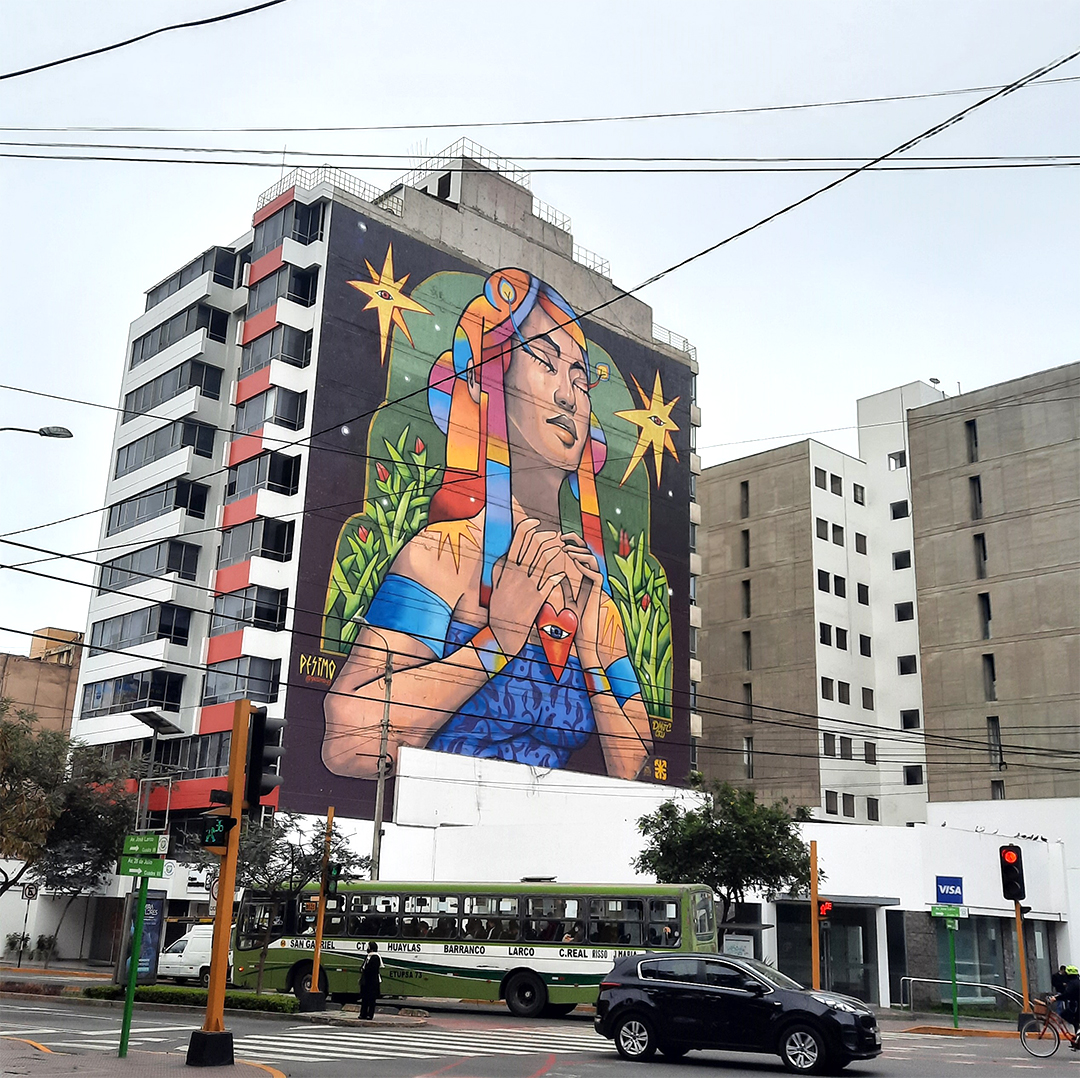
My journey through Peru began in the capital, Lima. I wanted to gain some useful experience during my first month, so I decided to volunteer at a hostel in an old townhouse dating back to the early 20th century. In exchange for serving breakfast and drinks a few hours a day, I received free accommodation.
The hostel was close to Lima’s famous historic centre, known for its yellow colonial buildings, wooden balconies and grand historic squares. Peru is quite cold in September, so I decided to buy a soft, warm llama wool sweater there that every tourist wears – it looked like everyone at the hostel had matching outfits. I also had plenty of time to explore some of Lima’s other lovely neighbourhoods, such as Miraflores and Barranco.
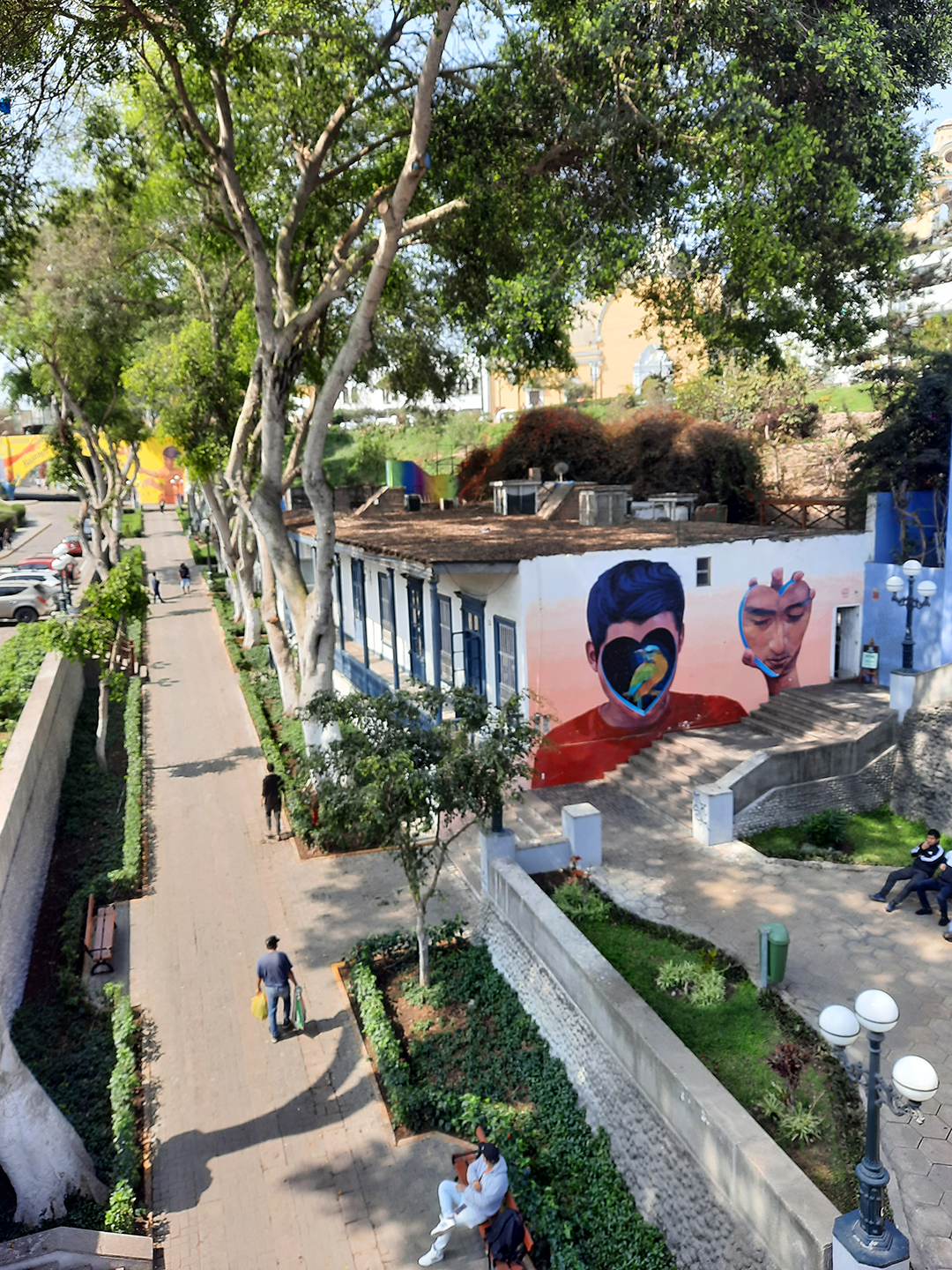
Miraflores is a modern, upmarket neighbourhood known for its parks and shopping centres. It sits right on the Pacific coast, with beautiful views of the cliffs, where you could almost always see paragliders in the sky (though it was quite foggy at the time). This is also where I tried ceviche, a traditional Peruvian dish made with raw fish, lime juice, onion and coriander.
Barranco has a more bohemian feel. It’s known for its colourful streets, nightlife and local art scene. There are many galleries, cafés and bars to explore. To complete my day, I picked up some food from a local restaurant and took it with me to enjoy it on the beach by the ocean.
I made lifelong friends and memories during my time in Lima. After a month, saying goodbye to the hostel I had worked at wasn't easy, but I knew there were still many adventures ahead.
Like many travellers, I was a little worried about safety before visiting Peru. I had no desire to travel in a group, but I didn't want to travel completely on my own either, so I found the perfect solution. Peru has a travel company called Peru Hop, which operates a hop-on, hop-off bus service. You buy a ticket for your chosen route and can stay at each stop for as long as you like before continuing your journey on one of the next buses. This way, you can travel independently while still having your transport organised, and best of all, there’s a guide on every bus to help you along the way.
I chose the Lima–Paracas–Huacachina–Cusco route, but there are both longer and shorter options available.
The first stop from Lima was Paracas. It's a small coastal town that doesn't seem to have much to offer at first glance. The most interesting experience was visiting the Ballestas Islands by boat, where we got to see wildlife such as penguins and sea lions from a safe distance. During the trip, we also saw the enormous Candelabro de Paracas geoglyph carved into a hillside overlooking the coast. Its origin remains unclear to this day.

Huacachina is a truly special place, a small oasis surrounded by vast sand dunes. We went on a wild buggy ride through the Peruvian desert, but what I remember most was sandboarding down the dunes. We also stayed to watch the sunset, which is always especially spectacular in Peru. The view over the desert and the small lagoon surrounded by palm trees below was by far one of the most beautiful moments of my trip.
After Huacachina, it was time for the long 32-hour journey to Cusco. At first, I regretted not flying there instead, but once we started passing through the beautiful mountain scenery, I didn’t mind at all. It felt like I was in a film.
Along the way, we stopped to see the famous Nazca Lines. We also stopped at the highest point of the journey, 4,400 metres above sea level. The guides suggested we get off the bus so we could feel the effects of the altitude for ourselves. It was a truly strange and unusual feeling that is hard to describe.
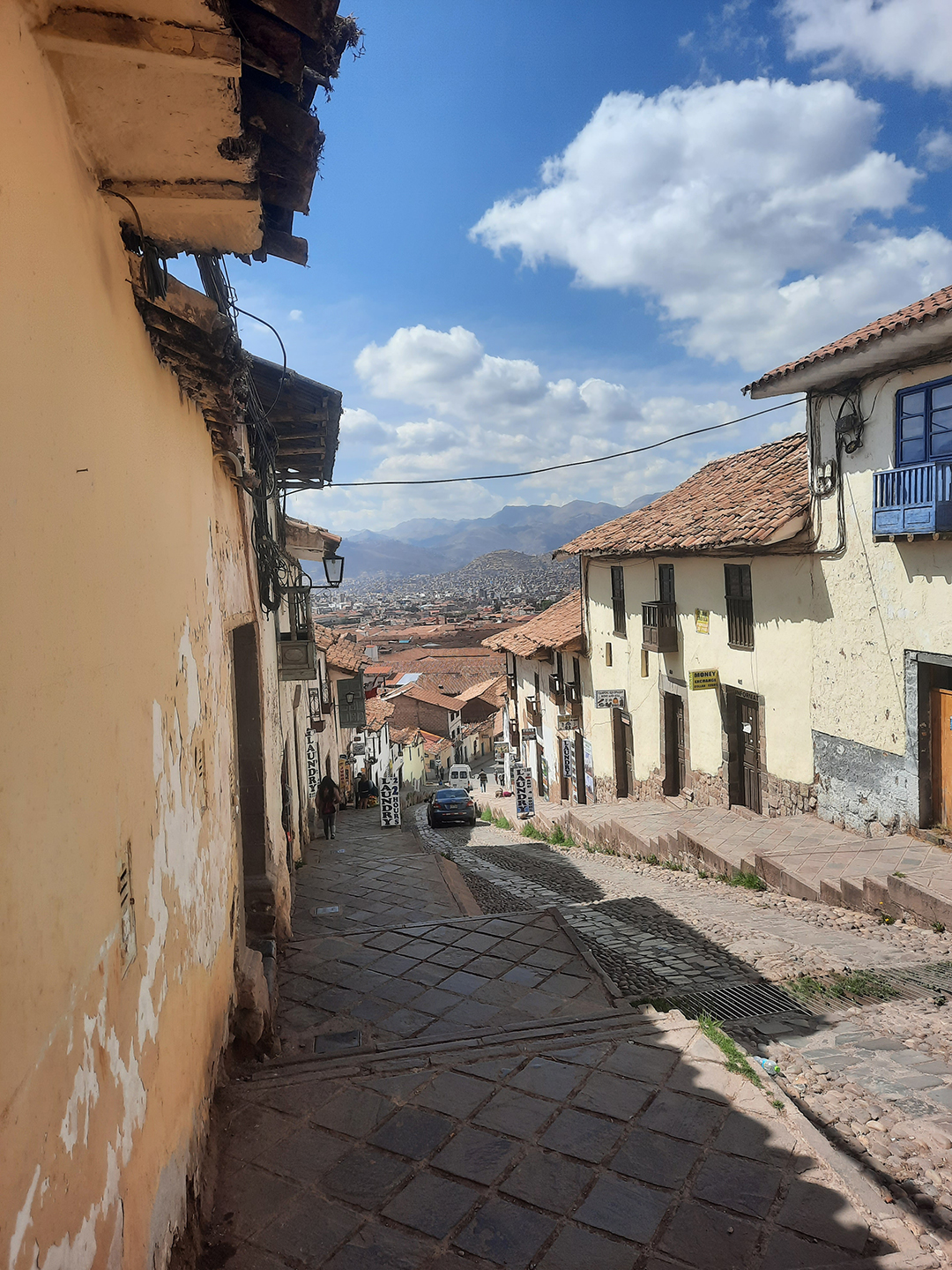
After 32 hours, we arrived in Cusco, once the capital of the Inca Empire. With its colours and smells, Cusco immediately takes you back in time and offers a fascinating glimpse into ancient traditions. Every day, I visited San Pedro Market, where I tried all kinds of delicious fruit, including mango and granadilla, as well as a traditional local dish called cuy, or fried guinea pig. My hostel in Cusco was on a hill, and since the city sits at around 3,400 metres above sea level, the thinner air made the walk back up noticeably harder.
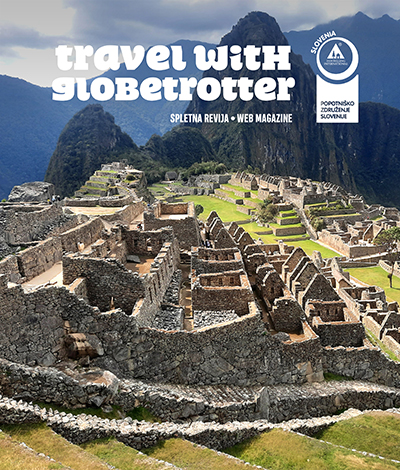
No trip to Peru would be complete without a visit to Machu Picchu, one of the New Seven Wonders of the World and one of the most famous remnants of the Inca civilisation
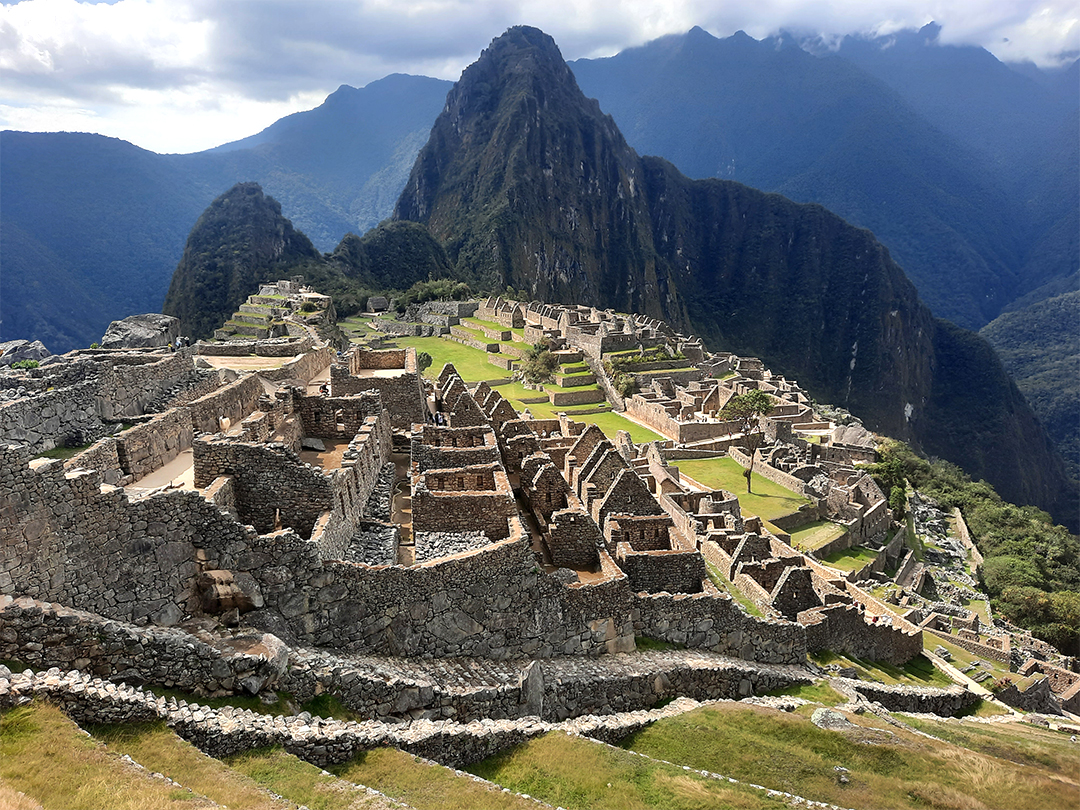
The archaeological site lies high in the Andes, so getting there is somewhat complicated. Some choose to hike the Inca Trail, which can take several days, but there is also the option of completing the entire visit in one day, starting in Cusco. I booked the trip myself through a local agency, which included all transport and a guided tour of Machu Picchu.
I first took a bus to the train station and, after two train stopovers, eventually arrived in Aguas Calientes. That is a charming little town and the final stop before Machu Picchu. From there, buses take you up the mountain, followed by a short ten-minute walk to the ancient Inca city. Once there, visitors can wander among the remains of the ancient buildings and take in the views of the surrounding mountains. The feeling you get when you're there is indescribable.
Our guide shared a few interesting theories about why Machu Picchu was built, but my favourite was that one of the Inca rulers had it built as a holiday retreat. Unfortunately, we will never know the real reason.
As my time in Peru came to an end, I was incredibly grateful for all the new experiences, the places I’d visited and the people I’d met. Peru has so much to offer, especially if you love nature, history and a little adventure when you travel. After one and a half months of travelling, I can safely say that Peru will always hold a special place in my heart.

Copyright (©) 2010 - 2026 Youth Hostel | Our Privacy Policy | Cookies | | RPC