When you are given the nickname “marvellous city”, expectations are bound to be high. But if any city can live up to this, it is Rio de Janeiro. Seven million people live today in what is the second largest city of Brazil that also served as the country’s capital until 1960. Portuguese explorers reached the city in 1501 and gave it the name Rio de Janeiro, which means January River.
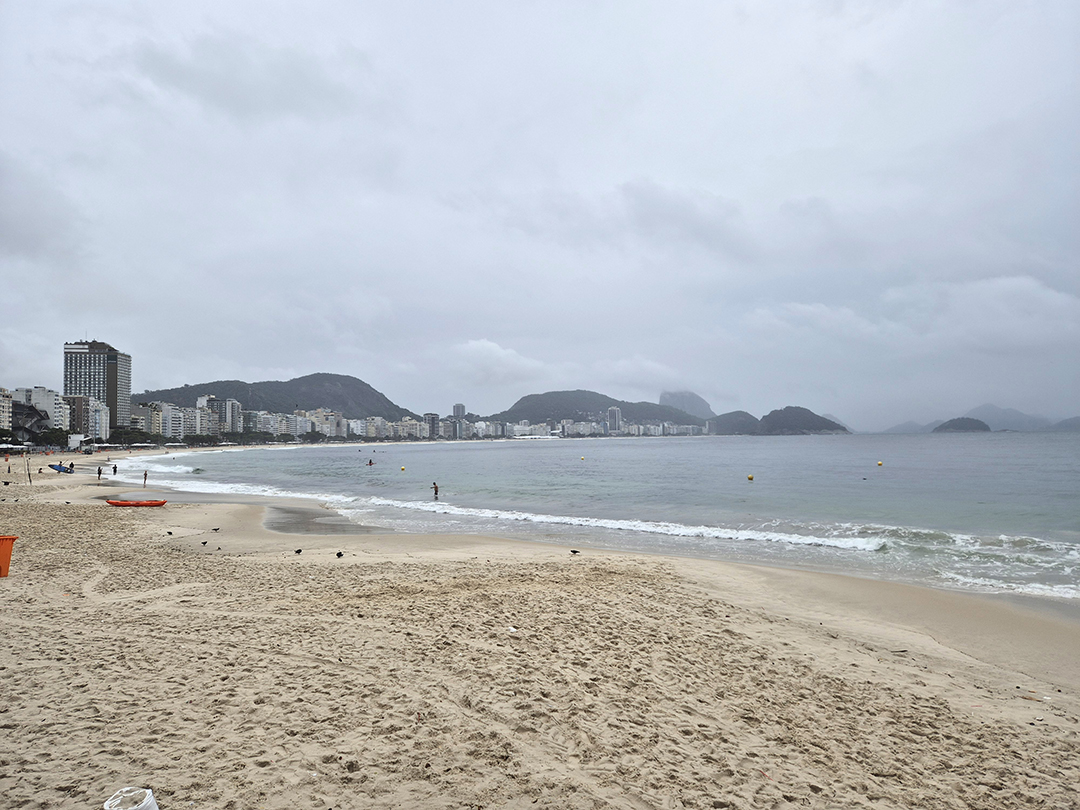
An eight-kilometre stretch of beaches runs from the eastern Leme beach all the way to the western beach of Leblon. Between them lie the more famous beaches of Copacabana and Ipanema. To find your way along the beaches, you will need to use the marked lifeguard stations. Stations numbered one to six are located between Leme and Copacabana, while stations seven to twelve are found between Ipanema and Leblon. Between the beaches, you can walk along the promenade, which attracts many runners and cyclists. The sea is usually rough with very strong waves, making it more suitable for surfing than for swimming, which requires a certain level of caution. The beaches are also popular for playing football and beach volleyball, and during a break it is worth trying coconut water or a Caipirinha cocktail from one of the stalls. The liveliest neighbourhood is Copacabana, which with its many restaurants, bars, and nightclubs is one of the best areas to stay in.
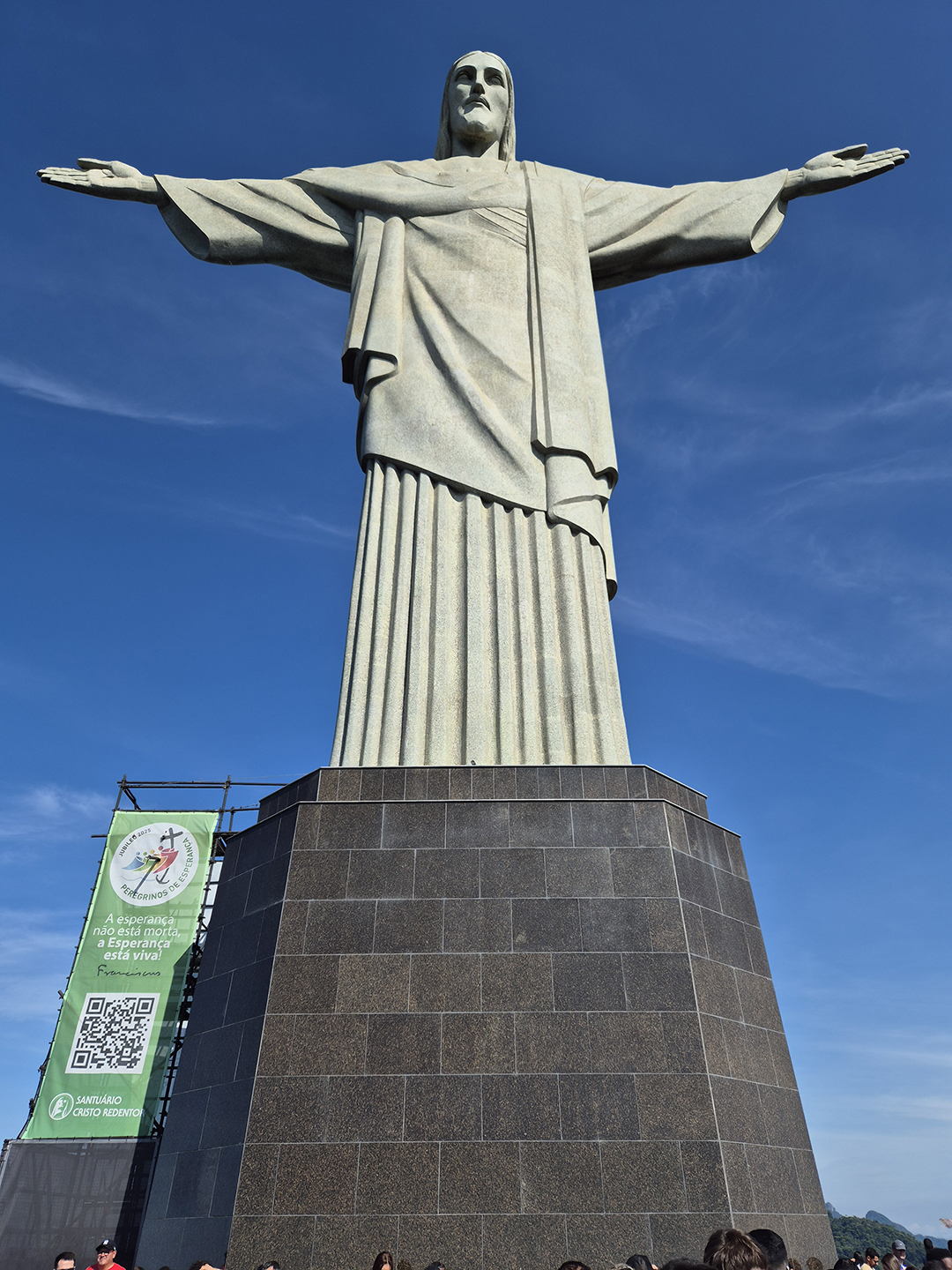
Christ the Redeemer is a 30-metre-tall statue of Jesus Christ standing atop the 700-metre-high Corcovado Mountain in Tijuca National Park. It is one of the seven wonders of the modern world and one of the most important symbols of Christianity. The statue was designed by French Polish sculptor Paul Landowski, while Brazilian engineer Heitor da Silva Costa oversaw its construction between 1922 and 1931. There are several ways to reach the statue, but the most popular and scenic route is certainly by the Corcovado train. From the Cosme Velho station to the summit, where a stunning view awaits, the just under four-kilometre journey takes about twenty minutes. The Christ statue will watch over you wherever you walk in the city, but one of the best views of it can be enjoyed from Lage Park.
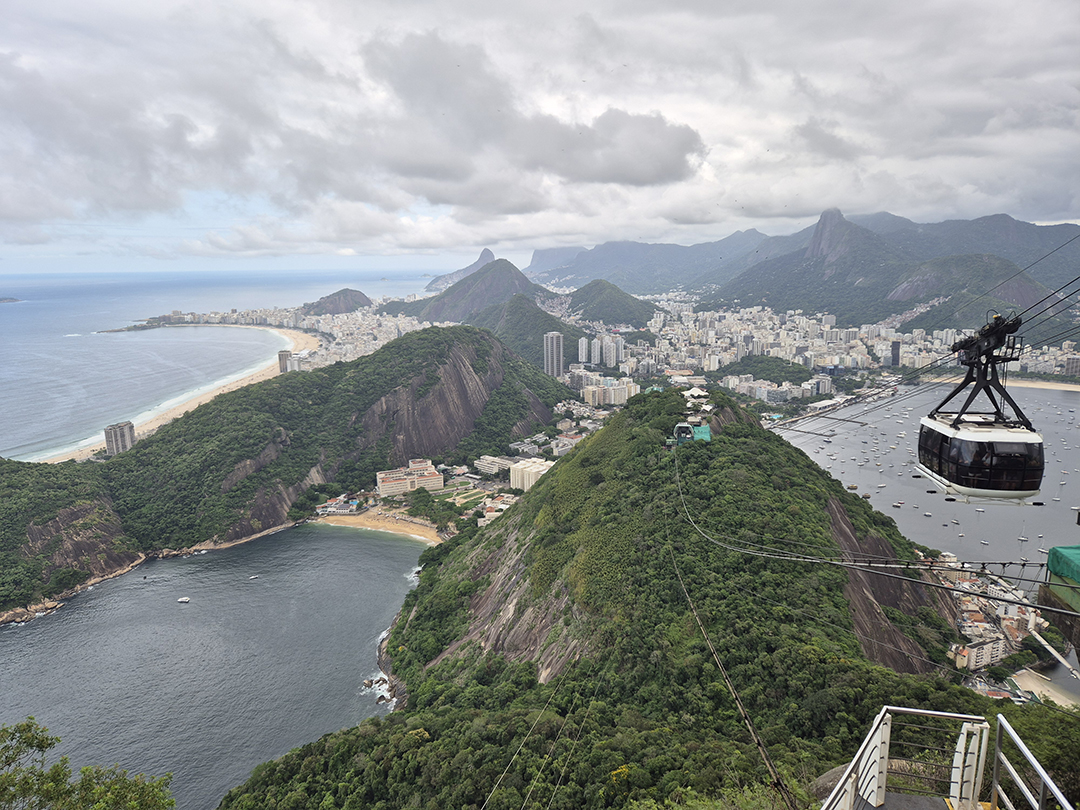
Pão de Açúcar, or Sugarloaf Mountain, is a 396-metre-high peak located on the Urca peninsula. The mountain, named for its resemblance to a block of refined sugar, stands alone as it rises directly from the water’s edge. You can reach the top of the mountain by cable car, and from there enjoy one of the most beautiful views of Rio de Janeiro. The entire cable car route is 1,400 metres long, but the first part takes you from the station to the top of Morro da Urca, and only from there do you take a second cable car up to Sugarloaf Mountain.
Centro is a historic district considered to be the old city centre. The most famous attraction in Centro is the Escadaria Selarón, created by Chilean artist Jorge Selarón. The 215 steps are covered with ceramic tiles from more than 60 countries, but those in the colours of the Brazilian flag dominate. Selarón began working on them in 1990 and continued refining them until his death in 2013. Nearby is the Paço Imperial, an imperial palace built in the eighteenth century to house the governors of colonial Brazil. No less impressive is the Theatro Municipal opera house, built in the twentieth century, which bears a strong resemblance to the Palais Garnier in Paris. The metropolitan cathedral of São Sebastião and the São Bento monastery draw many visitors to the district.
As the sun sets and the beaches empty, the action moves to the bars and clubs, which stay open late into the night. Pedro do Sal is historically significant for African immigrants and is also known as the birthplace of samba. Here, every Monday and Friday evening, open-air samba dance parties take place. The district most popular in the evenings is Lapa, which is located near Centro. Another popular spot is Santa Teresa. You can reach it from Largo da Carioca station by tram, which has been running since 1896 and climbs six kilometres up to Santa Teresa. Here, alongside the restaurants and bars, you will also enjoy a great view of Centro. Along the way, you will also pass the Arcos da Lapa viaduct, built as an aqueduct in the eighteenth century to supply residents with fresh water from the Carioca River.
Football is everywhere in Rio and represents one of Brazil’s greatest passions. Brazil is the country with the most World Cup titles and the birthplace of champions such as Pelé, Ronaldo, and Ronaldinho. Maracanã Stadium is one of the most important football stadiums in the world that opened in 1950 and once held a record crowd of over 173,000 spectators. Today, the renovated stadium, with a capacity of over 78,000 seats, is home to the Flamengo and Fluminense clubs, as well as the Brazilian national team. You can watch the match at the stadium or visit it together with its museum on a guided tour.
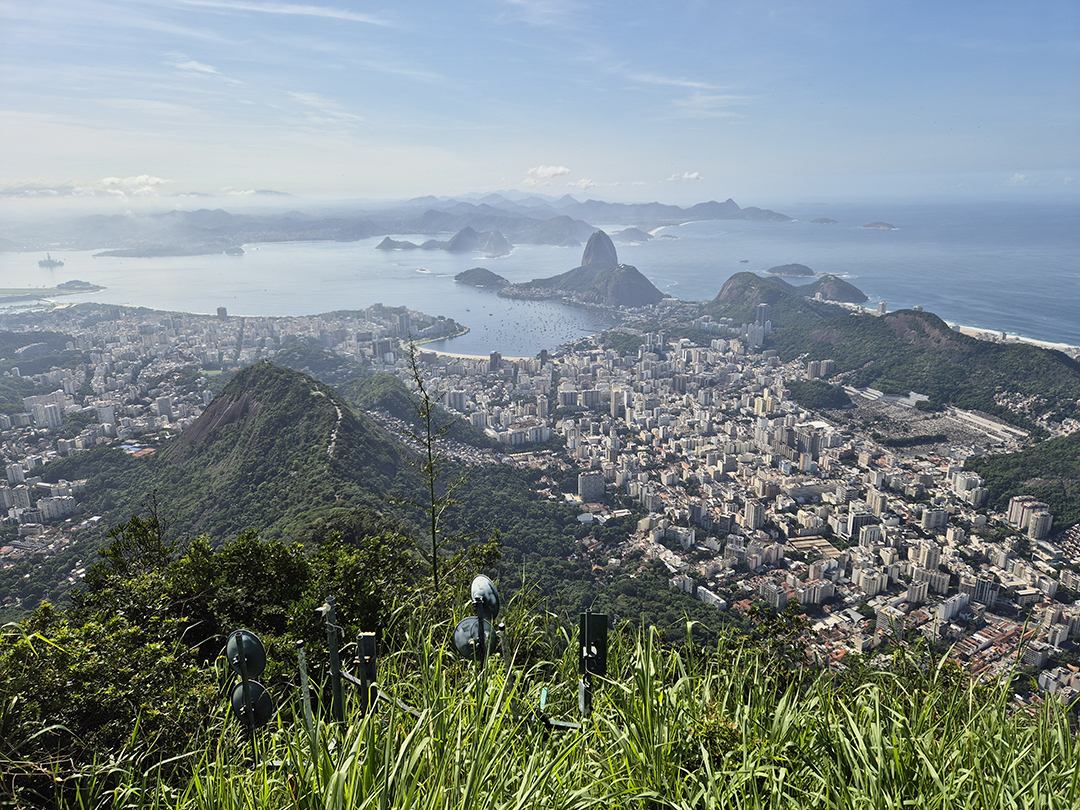
The first favelas appeared in the late nineteenth century in Rio de Janeiro, when soldiers returning from war had nowhere to live and settled on the hills. The growth of more favelas followed as people from the countryside began moving to the city, but could not afford proper housing. Today, Rio is home to over 1,400 favelas, where nearly 1.5 million people live, representing more than a fifth of the city’s population. Locals live in poverty and are cut off from the rest of the world, which has led to the formation of criminal groups and drug trafficking. Most favelas are now under the control of a police pacification unit, and some have even started developing tourism. One example is Rocinha, the most populated favela in the city, with over 72,000 residents. If you are interested in life there, you can visit on a guided tour led by a local, but never enter a favela on your own. You can read more about safety in South America in this article.

Copyright (©) 2010 - 2026 Youth Hostel | Our Privacy Policy | Cookies | | RPC