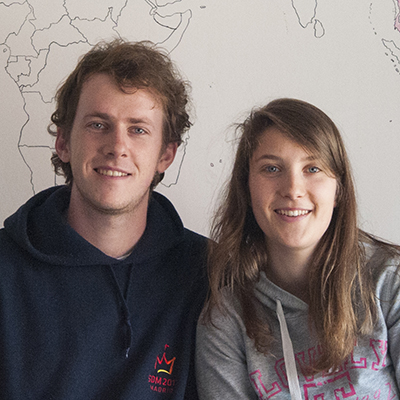
As volunteer journalists with Hostelling International Slovenia, we have been writing for the online magazine Globetrotter for almost ten years. Soon after we joined, we each received our PRESS card by mail. At first, we did not know what to do with it or how to use it, until a friend mentioned that he had used his PRESS card to get free entry to Hagia Sophia in Istanbul, Turkey – at that time it was still a museum and the ticket was quite expensive. We were happy to take the cards with us on our trip to Istanbul and use them for the first time. And indeed, we got a ticket for free! Perfect! We were thrilled. On our return, we of course wrote an article about the places we visited in Istanbul, helping to promote the attractions where we had received free entry.
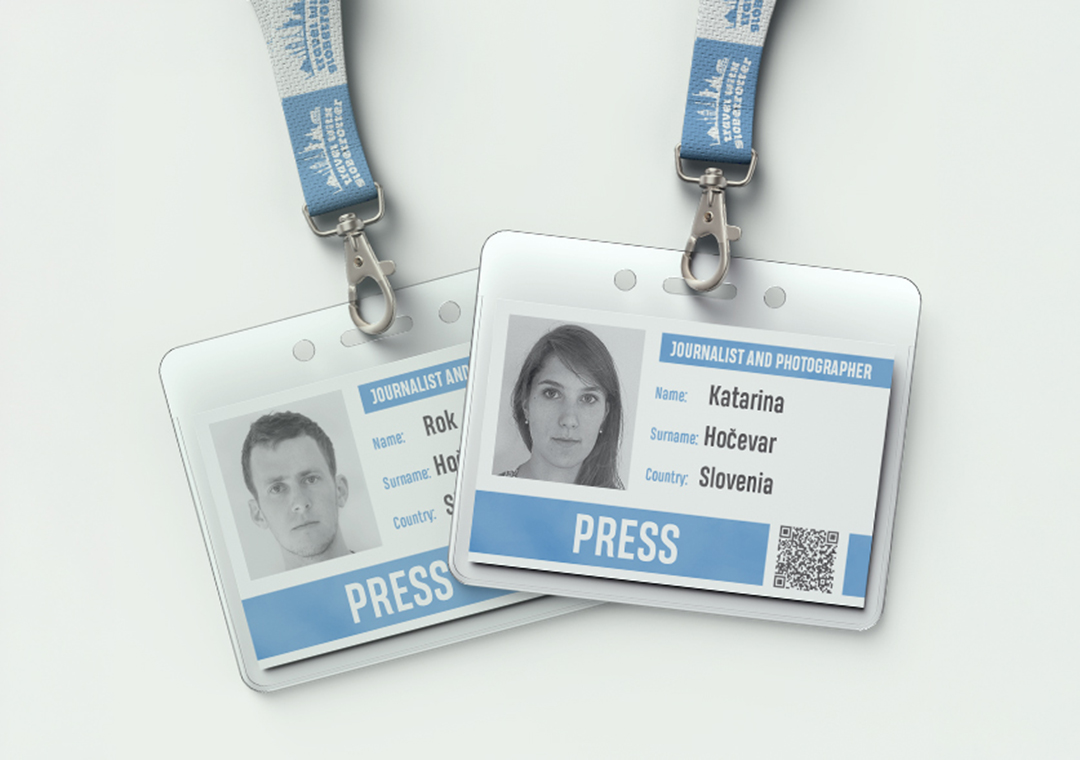
Several years later, the PRESS card has become our constant travel companion, letting us enjoy cheaper or even free entry at many places around the world. That is why it is time for us to introduce it here as well.
A PRESS card is an internationally recognised journalist ID, designed for those creating content in journalism, media, travel writing, or photography. It allows you to be identified as a member of the media community and often comes with practical benefits, mainly free or reduced entry to cultural sites, museums, galleries, and more around the world.
You cannot just get a PRESS card. You need to earn it through active involvement in the journalism field. We got ours by becoming volunteers at Hostelling International Slovenia.
All you need to do is join the group of volunteer journalists, start creating travel articles or reports for their online magazine Globetrotter, and in doing so show that you are actively contributing to spreading travel culture. Once you have a few articles published, you can apply for a PRESS card, which Hostelling International Slovenia gives to its active contributors.
Being part of Hostelling International Slovenia comes with other perks besides just the PRESS card. For example, discounts at hostels in the Hostelling International network, information about interesting courses both in Slovenia and abroad, chances to travel to these courses at a reduced or subsidised rate, opportunities to work abroad, and much more.
Once you have a PRESS card, you also need to know how to use it. You cannot just wave it at the entrance of a museum and expect the doors to open by themselves. A PRESS card is not a magic ticket that gets you everything for free – it is mainly a tool that gives you easier access to cultural sites when you are doing journalistic work.
It is important to use it respectfully and professionally:
This approach creates a good impression and builds trust between journalists and cultural institutions around the world.
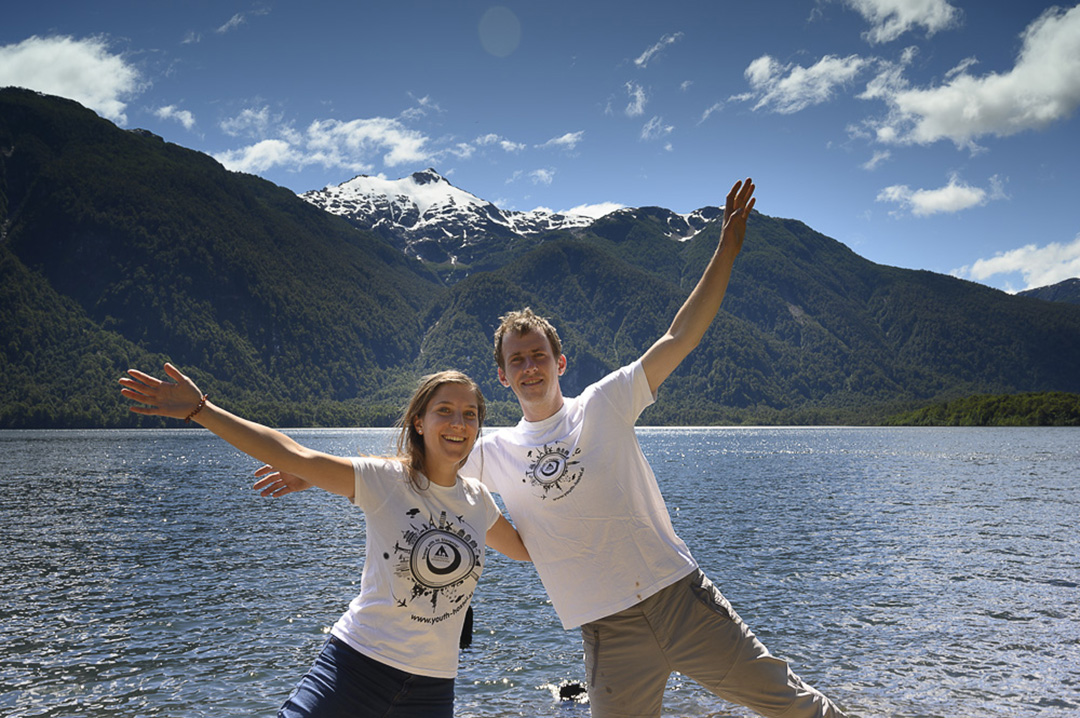
We have travelled to quite a few countries with the card, and the experiences have been very different.
In Scandinavia, especially in Finland and Sweden, the PRESS card was accepted almost everywhere. During a week-long trip across Finland, we did not have to pay a single entry fee, as the PRESS card was accepted everywhere. People were just as welcoming in Stockholm, where we got into the Vasa Museum without paying an entry fee.
In Egypt, most entry fees were half price when we showed our PRESS card. I am talking about entry fees for the Giza pyramid complex, the temples in Luxor, Abu Simbel, museums in Cairo, and so on.
But the most generous of all were in Turkey. There, the PRESS card opens almost every door, from archaeological sites and museums to the magnificent Hagia Sophia. At the ticket office of every museum or institution, they accepted it without question, gave us a free entry ticket, and thanked us for visiting.
It is different in Slovenia, Germany, Spain, and most Central European countries. There, PRESS cards are mostly not recognised for discounts, as they have strict rules for journalistic accreditation. The same goes for Latin America, Asia, and most African countries. There, discounts are for local citizens, while foreigners usually must pay the full price. However, this does not reduce the value of a PRESS card, as it still serves as official proof of being a journalist and can open doors for conversations with locals or staff.
A PRESS card is more than just a piece of plastic and paper, it is a symbol of curiosity, respect for culture, and the desire to explore the world through a lens or a keyboard.
If you also love travelling, exploring, and telling stories, join the volunteers at Hostelling International Slovenia, start writing for Globetrotter, and discover how travel can become even richer in experiences, connections, and opportunities, while also a little cheaper.
Copyright (©) 2010 - 2026 Youth Hostel | Our Privacy Policy | Cookies | | RPC